| | | | | | | Editorial
| | | | | | March has asked us to hold many truths at once.
| | | It is the month where we celebrate women, their power, their care, their resistance and their ability to hold communities together even when systems fail them. It is also the month where, through our climate crisis webinar, we were reminded once again that rural women are standing at the very frontlines of a crisis they did not create.
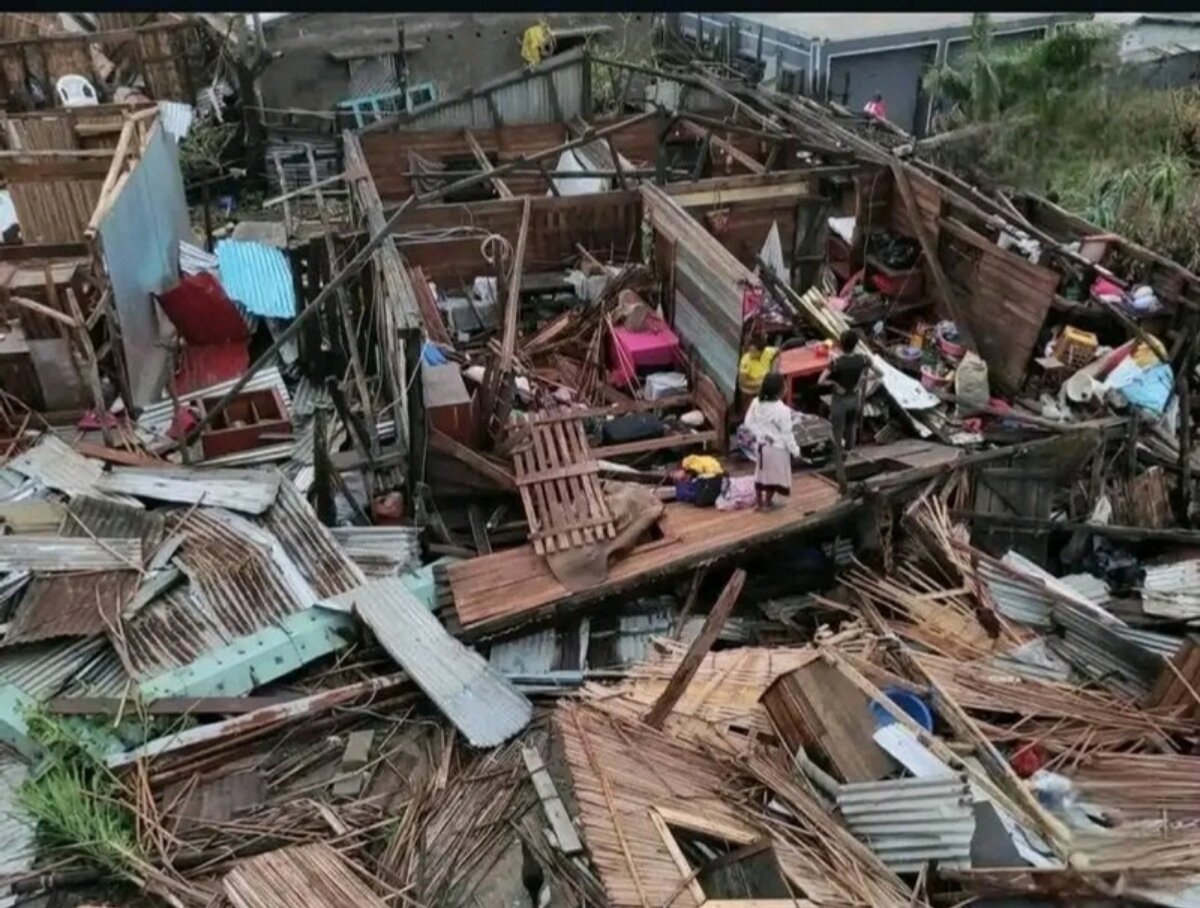
| | | Across Southern Africa, the stories are painfully familiar. Fields that no longer respond to the rhythms our grandmothers knew. Rivers that arrive with destruction instead of life. Seasons that confuse even the most experienced farmers. And yet, in the midst of this, we as rural women continue to feed families, protect seeds, organize collectively and speak truth to power.
| | | During our climate crisis webinar, voices from across the region echoed a shared reality. Climate change is not an abstract concept. It is hunger. It is displacement. It is the loss of indigenous seeds. It is the exhaustion of walking further for water. It is the quiet anxiety of not knowing whether the next season will sustain life. But just as clearly, it is also resistance. We are saving seeds, restoring soils, rebuilding food systems, and refusing to be erased. This year’s International Women’s Day gave us a moment to pause and reflect, but also to sharpen our political clarity. Commemoration without recognition of struggle is incomplete. Rural women are leaders in shaping solutions rooted in agroecology, solidarity, and indigenous knowledge. Our work is not just being done in boardrooms, but in fields, in seed exchanges, in community gatherings, and in movements like ours.
| | | As the Rural Women’s Assembly, we continue to push these realities into spaces that often overlook them. Our submissions on the right to food and the rights of peasants are reflections of lived experiences. They carry the voices of women who are demanding recognition, protection, and justice. Women who are insisting that climate solutions must center those who feed nations. What came through strongly this March is that the struggle for climate justice and the struggle for women’s rights are inseparable. You cannot speak of one without the other. When rural women lose access to land, seeds, and water, entire food systems are destabilized. When our knowledge is ignored, we lose pathways to sustainable futures.
| | | And yet, even in the face of these challenges, there is something deeply powerful unfolding. A quiet but steady rebuilding. Women teaching each other. Communities reclaiming indigenous practices. Networks strengthening across borders. A refusal to give up. As we move forward, our work remains clear. To amplify our voices. To document these realities. To influence policy. To build solidarity across the region. And to ensure that we as rural women are not just included in conversations, but are leading them. March has reminded us that the future of our food systems, our environment, and our communities is already being shaped by us as rural women. The question is whether the world is ready to listen, to support, and to act alongside us.
| | | Until then, we continue.
| | | Download Our Pamphlet
| | | Read Our IWD Statement in Full EN | PT| FR
|
|
|
|
Editorial
| | | | | | March has asked us to hold many truths at once.
| | | It is the month where we celebrate women, their power, their care, their resistance and their ability to hold communities together even when systems fail them. It is also the month where, through our climate crisis webinar, we were reminded once again that rural women are standing at the very frontlines of a crisis they did not create.
| | | Across Southern Africa, the stories are painfully familiar. Fields that no longer respond to the rhythms our grandmothers knew. Rivers that arrive with destruction instead of life. Seasons that confuse even the most experienced farmers. And yet, in the midst of this, we as rural women continue to feed families, protect seeds, organize collectively and speak truth to power.
| | | During our climate crisis webinar, voices from across the region echoed a shared reality. Climate change is not an abstract concept. It is hunger. It is displacement. It is the loss of indigenous seeds. It is the exhaustion of walking further for water. It is the quiet anxiety of not knowing whether the next season will sustain life. But just as clearly, it is also resistance. We are saving seeds, restoring soils, rebuilding food systems, and refusing to be erased. This year’s International Women’s Day gave us a moment to pause and reflect, but also to sharpen our political clarity. Commemoration without recognition of struggle is incomplete. Rural women are leaders in shaping solutions rooted in agroecology, solidarity, and indigenous knowledge. Our work is not just being done in boardrooms, but in fields, in seed exchanges, in community gatherings, and in movements like ours.
| | | As the Rural Women’s Assembly, we continue to push these realities into spaces that often overlook them. Our submissions on the right to food and the rights of peasants are reflections of lived experiences. They carry the voices of women who are demanding recognition, protection, and justice. Women who are insisting that climate solutions must center those who feed nations. What came through strongly this March is that the struggle for climate justice and the struggle for women’s rights are inseparable. You cannot speak of one without the other. When rural women lose access to land, seeds, and water, entire food systems are destabilized. When our knowledge is ignored, we lose pathways to sustainable futures.
| | | And yet, even in the face of these challenges, there is something deeply powerful unfolding. A quiet but steady rebuilding. Women teaching each other. Communities reclaiming indigenous practices. Networks strengthening across borders. A refusal to give up. As we move forward, our work remains clear. To amplify our voices. To document these realities. To influence policy. To build solidarity across the region. And to ensure that we as rural women are not just included in conversations, but are leading them. March has reminded us that the future of our food systems, our environment, and our communities is already being shaped by us as rural women. The question is whether the world is ready to listen, to support, and to act alongside us.
| | | Until then, we continue.
| | | Download Our Pamphlet
| | | Read Our IWD Statement in Full EN | PT| FR
|
|
|
|
| | | Country Chapter Articles & Stories
|
|
|
|
Country Chapter Articles & Stories
|
|
|
|
| | | RWA Madagascar: Standing in the Women Farmers and Agroecology Fair
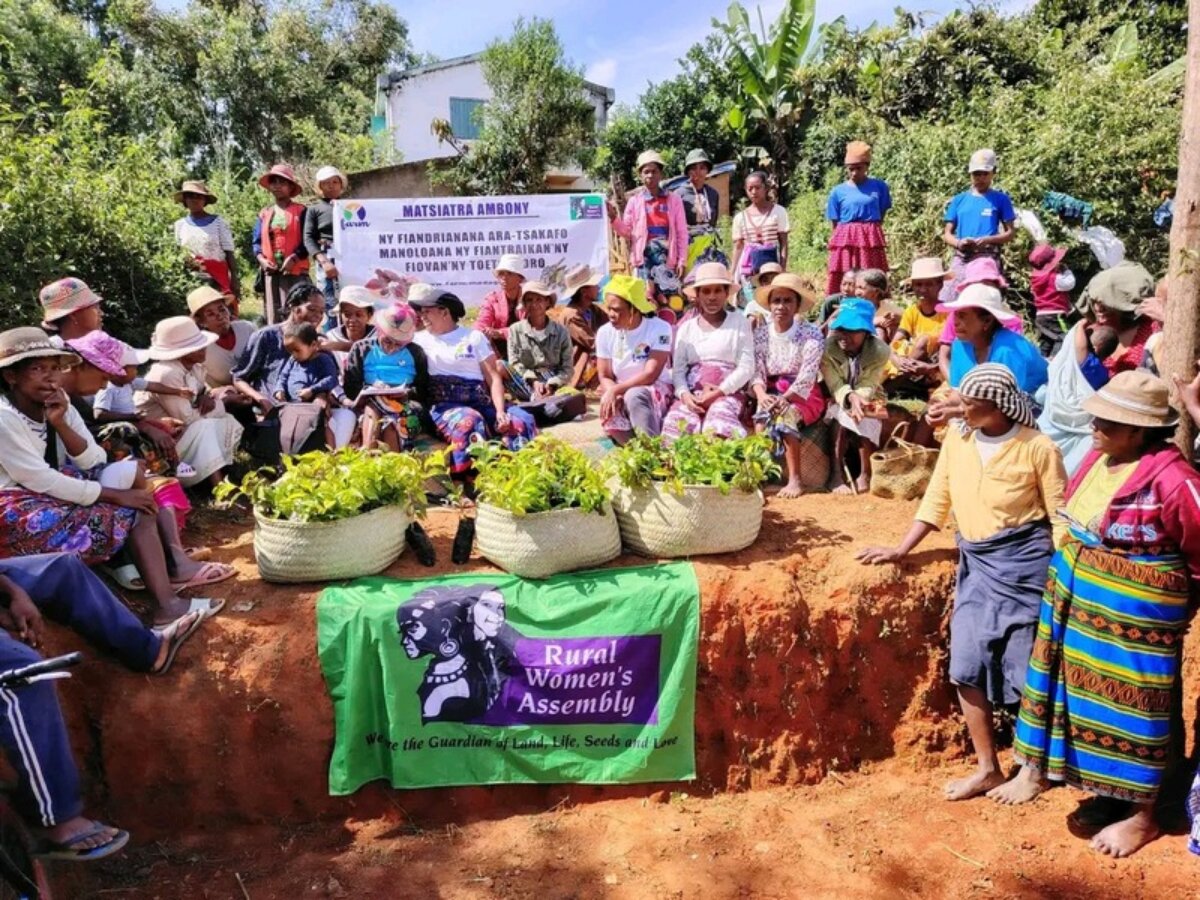
| | | | | | The Fair “Women Farmers and Agroecology” was officially opened on March 20, 2026 at the Antaninarenina Garden, Antananarivo, an event that highlights the important role of women in the field of sustainable agriculture and the development of the rural environment, especially by using agricultural techniques without chemicals. The Secretary-General of the Ministry of Agriculture arrived to open the event, accompanied by officials and stakeholders from the rural environment, including the Speaker of the House of Farmers and representatives of the cooperative stakeholders. During the opening ceremony, there were intermediate speeches followed by an exhibition of products through the booths, where Malagasy female farmers showed their produce. Please note that these are purely biological products, without any chemical substance.
| | | RWA Zambia: Shibuyunji District Women’s Day
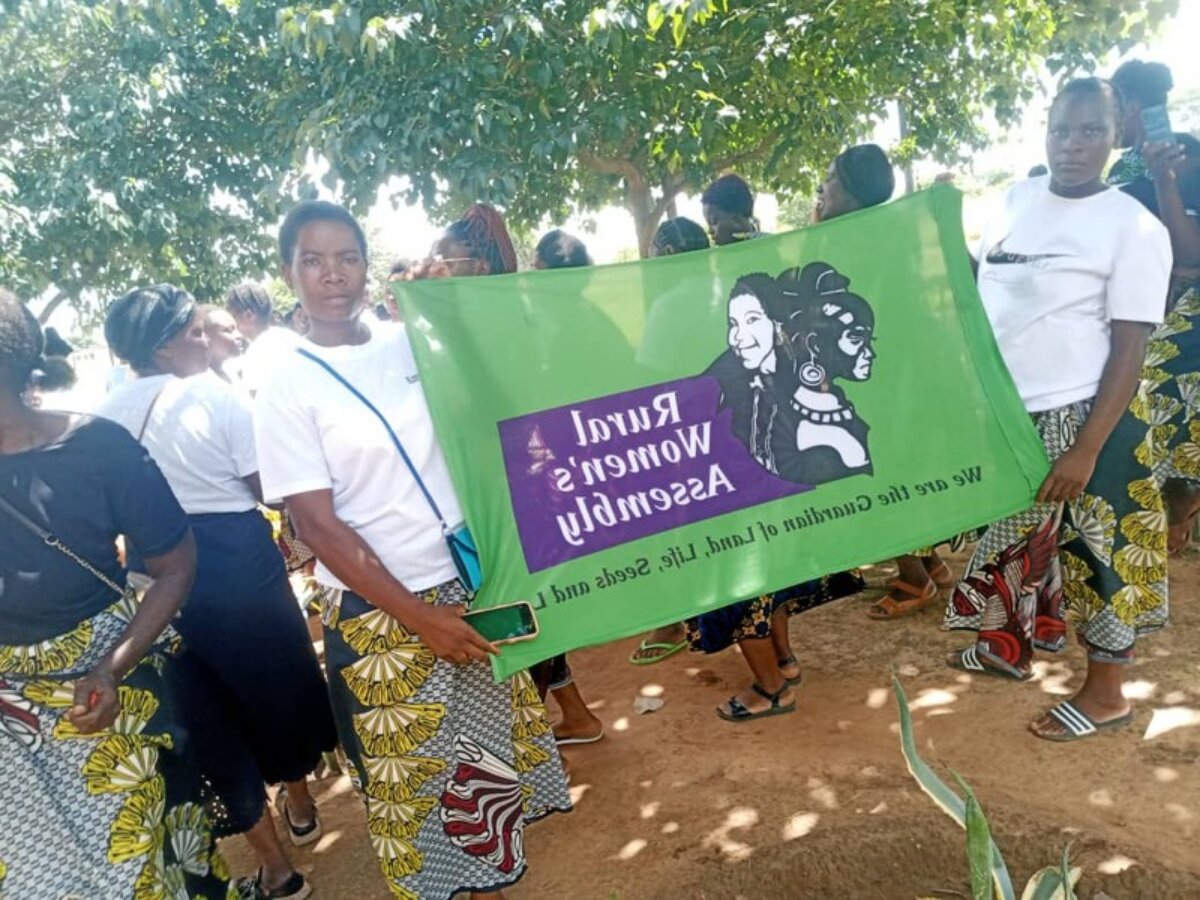
| | | | | | RWA Shibuyunji District on 8th March, 2026 joined the rest of the country in commemorating Women’s Day under the theme Rights, Justice, Action For All Women and Girls. The theme highlights the importance of protecting Women and Girls from all forms of injustice.
| | | RWA Namibia: Theme: “Breaking Silence, Popping for Justice”
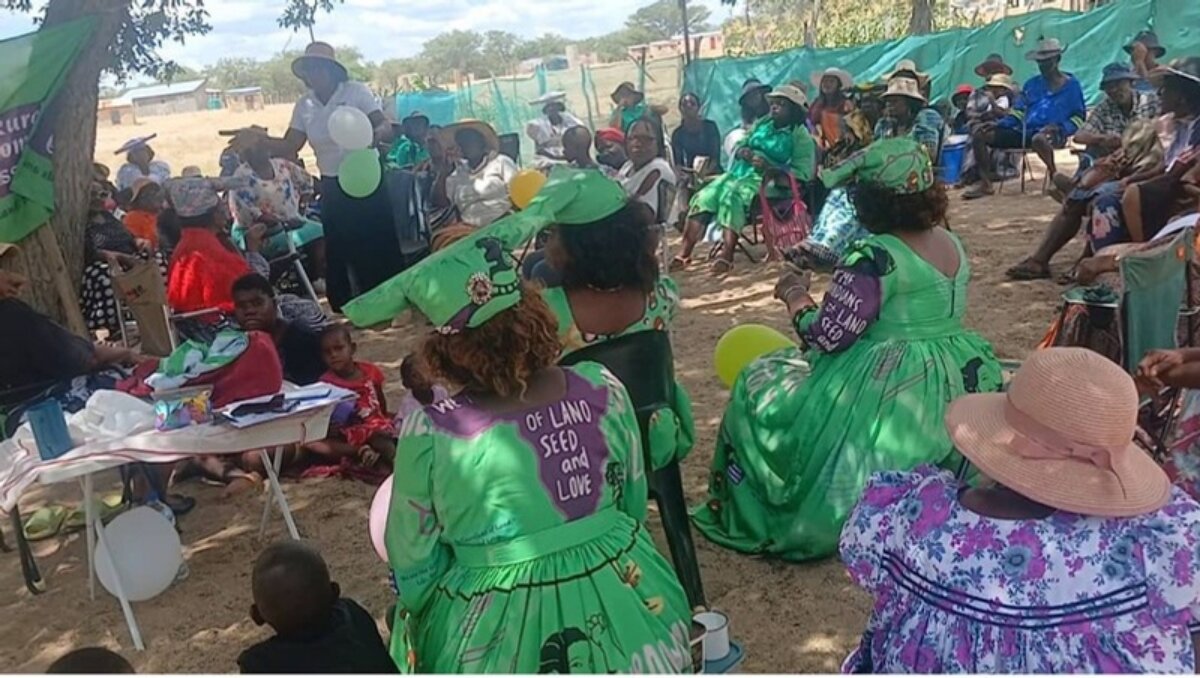
| | | | | | In the Erongo Region, particularly in Okongue in the Otjojorongo communal area, women came together to share their lived experiences. These are communities where daily life continues to be shaped by ongoing struggles. Women spoke about limited access to land, the increasing pressure on communal land, and the challenges that arise when land is controlled without fully recognizing women’s rights. At the same time, climate conditions are becoming more extreme and unpredictable. Heavy rains have recently caused damage to crops and loss of livestock, destroying the very sources of food and income that rural families depend on. In contrast, heatwaves continue to pose serious danger to human health, especially for women working long hours in the fields, while also drying out gardens and affecting crop growth. These changing conditions are making it increasingly difficult for rural women to sustain their livelihoods.
| | | RWA Lesotho: Growing Hope from the Soil: The Strength of Basotho Women
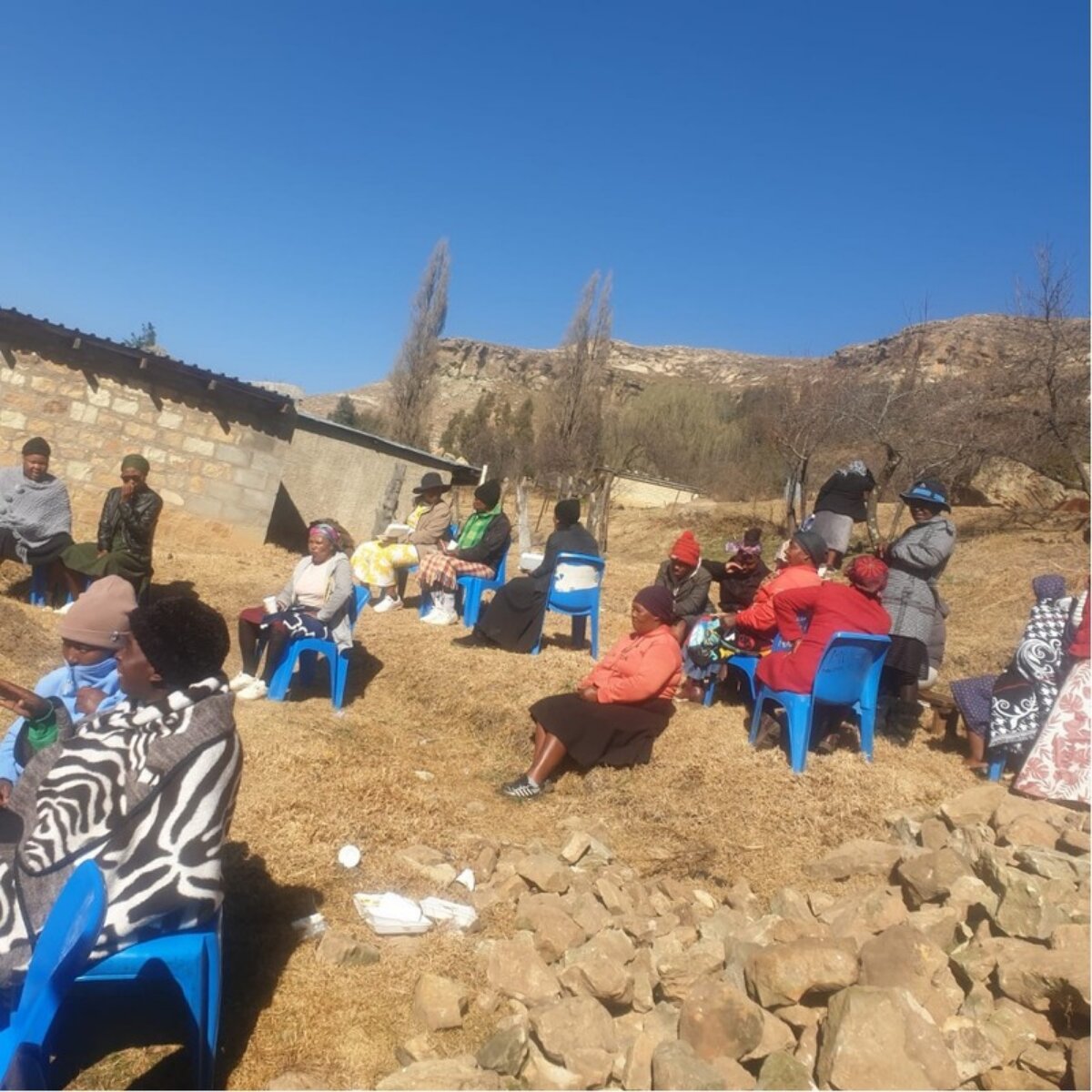
| | | | | | Across rural communities in Lesotho, the women of HRWA Lesotho continue to lead the way in ensuring food security, working tirelessly in the fields to plant, cultivate, and nurture crops that sustain their families and communities. Their work goes beyond agriculture; it is a lifeline, a source of dignity, and a foundation for resilient livelihoods. Every day, these women face increasing challenges brought on by climate change, including prolonged droughts, unpredictable rainfall, soil erosion, and the spread of crop pests and diseases. With limited access to farming inputs, financial support, and modern resources, their journey is far from easy. Yet, through determination and unity, they continue to rise adapting their practices and finding innovative ways to keep their fields productive.
| | | RWA Tanzania: Raising Awareness on International Women’s Day
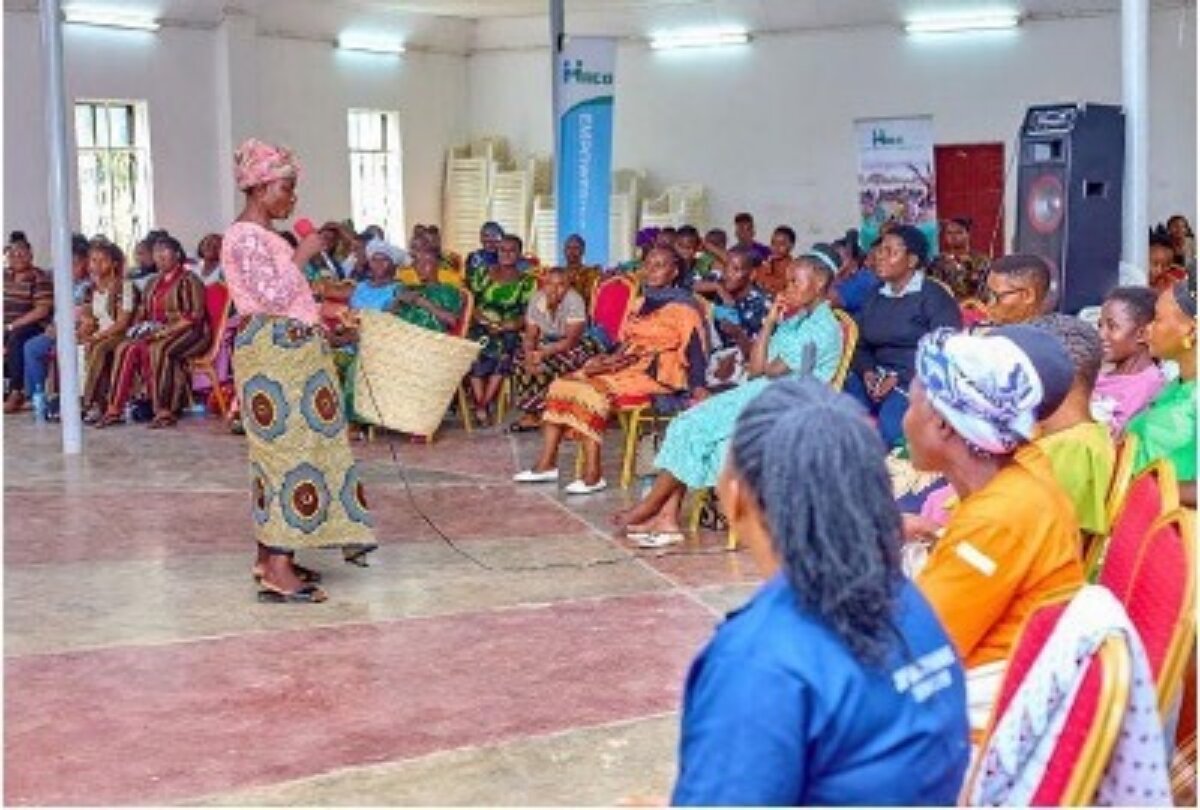
| | | | | | On March 11, 2026, Tanzania Rural Women Assembly commemorated International Women’s Day by bringing together women representatives across the Southern Highland regions also paralegal organization (SAMAWAMBU) and organization from People living with disability (PWD). A total of 122 women and 9 men. Among them were 38 youth aged between 15–35 years and 93 adults aged 36 years and above participated, the event aimed to celebrate women’s achievements in different areas, while also providing a platform to share successes in different areas such as nutrition, gender-based violence, climate change, women’s access to land, and agro ecological practices. The event was also accompanied by a seed exhibition and exchange, as well as the display of handmade products aimed at supporting income generation.
| | | RWA Zimbabwe: Commemorating International Women’s Day
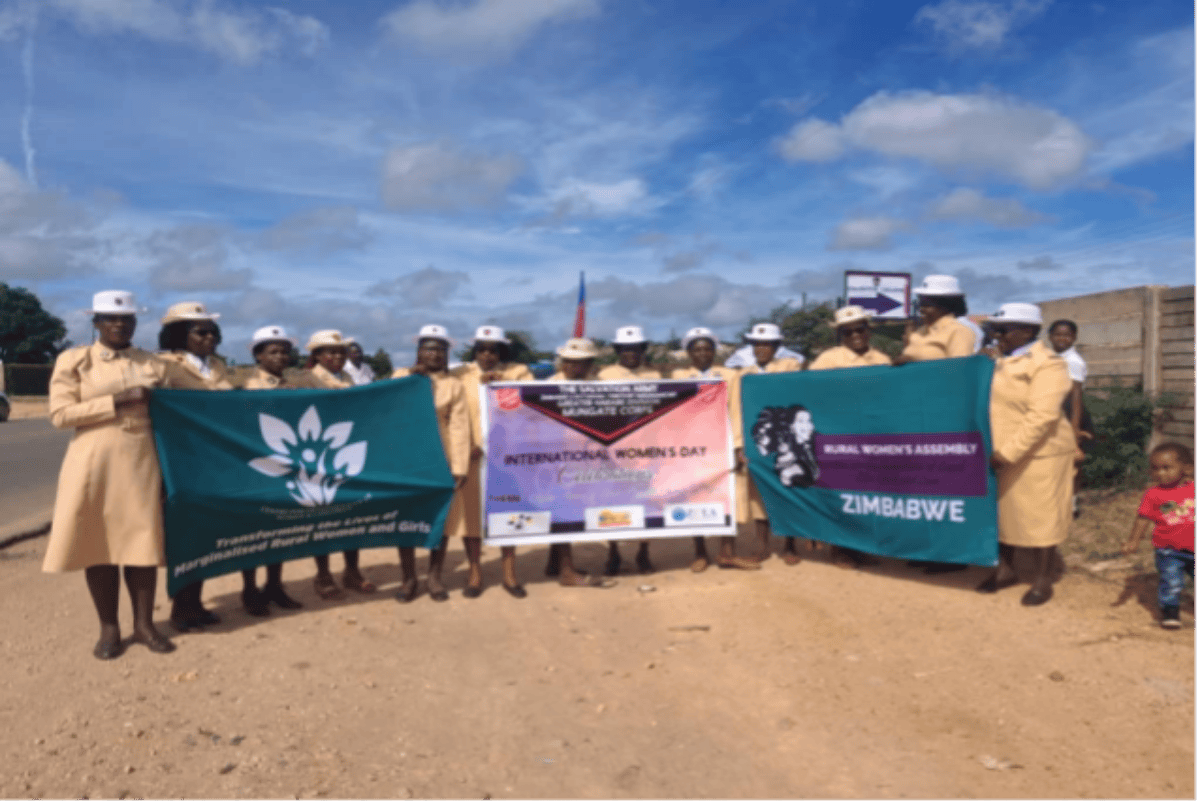
| | | | | | The Centre for the Development of Women and Children (CDWC) participated in the national International Women’s Day celebrations. CDWC was invited by the Ministry of Women Affairs and Salvation Army in Makoni at Nerwande School and in Mashonaland East in Domboshawa respectively. The celebrations were running under the theme, “Rights. Justice. Action. For all girls and Women.” This year’s theme serves as a global call to close the justice gap. In addition, the Zimbabwe Farmers Union (ZFU) under Zimbabwe Rural Women Assembly Chapter has reaffirmed its commitment to advancing women’s empowerment in agriculture following the successful hosting of the national International Women’s Day (IWD) commemorations in Bindura on 4 March 2026.The event, held under the global theme “Rights. Justice. Action. For All Women and Girls,” brought together thousands of women farmers, policymakers, development partners and private sector players, highlighting the indispensable role of women in Zimbabwe’s agricultural sector.
| | | RWA South Africa: National Budget Engagement & Austerity Budget Cuts Protest
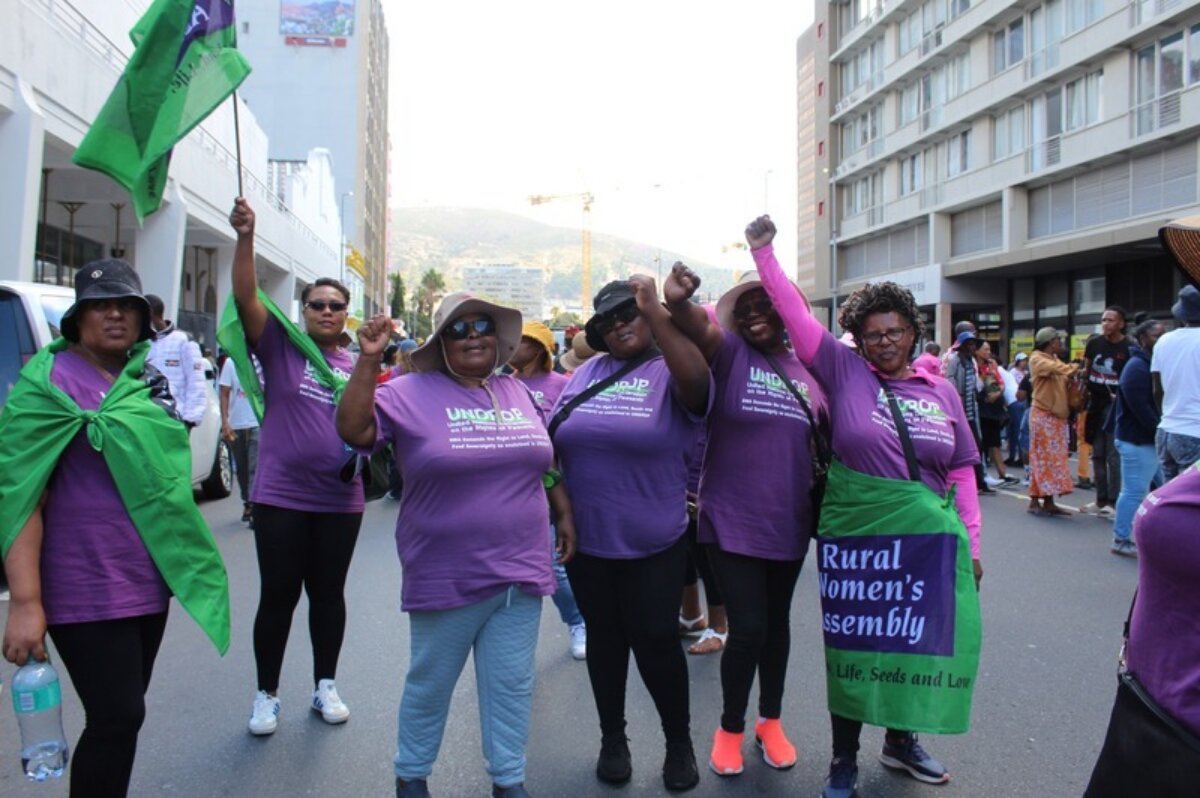
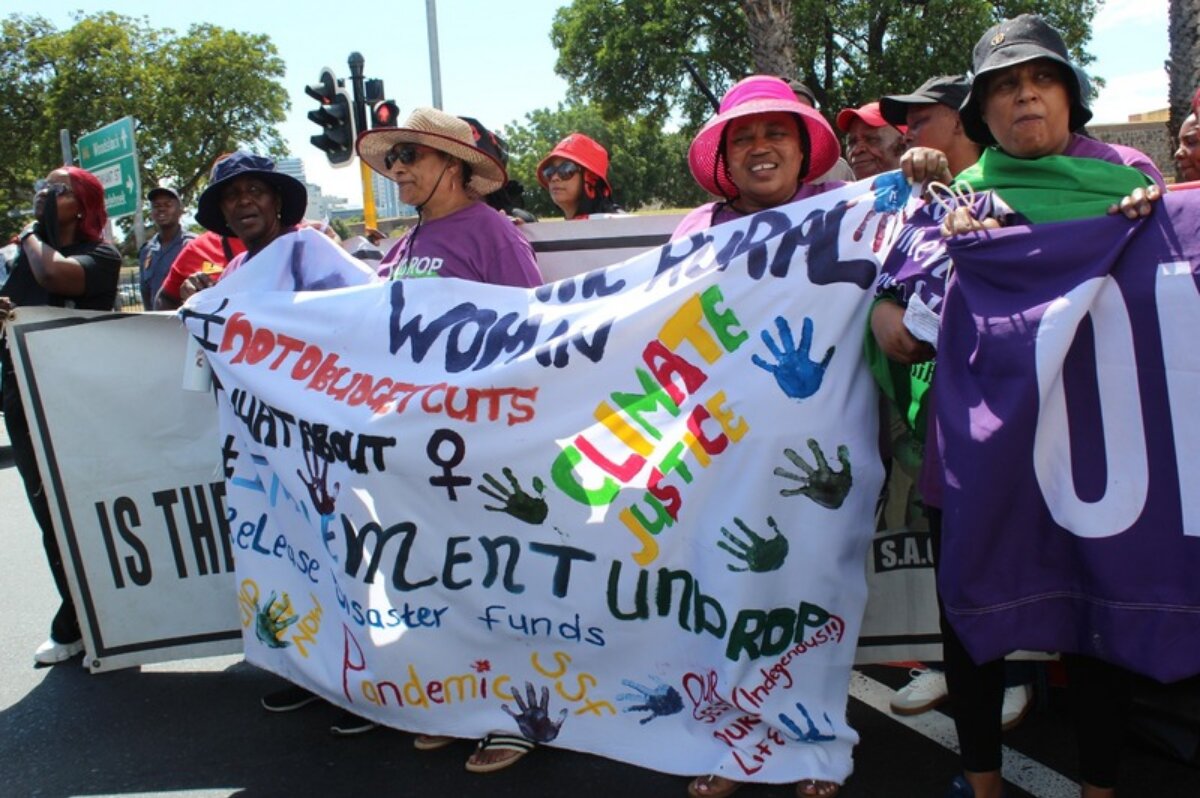
| | | | | | On 25 February 2026, civil society organisations and trade unions mobilised ahead of South Africa’s national budget speech to challenge austerity measures and advocate for economic justice, highlighting concerns about their negative impact on public services, livelihoods and vulnerable communities, especially rural women. The mobilisation called for an end to budget cuts, the creation of decent jobs, progressive taxation and improved service delivery. The Rural Women’s Assembly South Africa played a strong and visible role, amplifying the voices of rural women, advocating for increased support to women farmers and submitting a memorandum to the National Treasury, which committed to respond. The protest remained peaceful and well coordinated, gained significant media attention and demonstrated the power of collective action, while raising critical issues such as worsening food insecurity, limited access to land, water and agricultural inputs, and the persistent gap between policy promises and implementation, underscoring the urgent need for meaningful and accountable support for rural women.
| | | | | | | | | Climate Crisis Solidarity Webinar
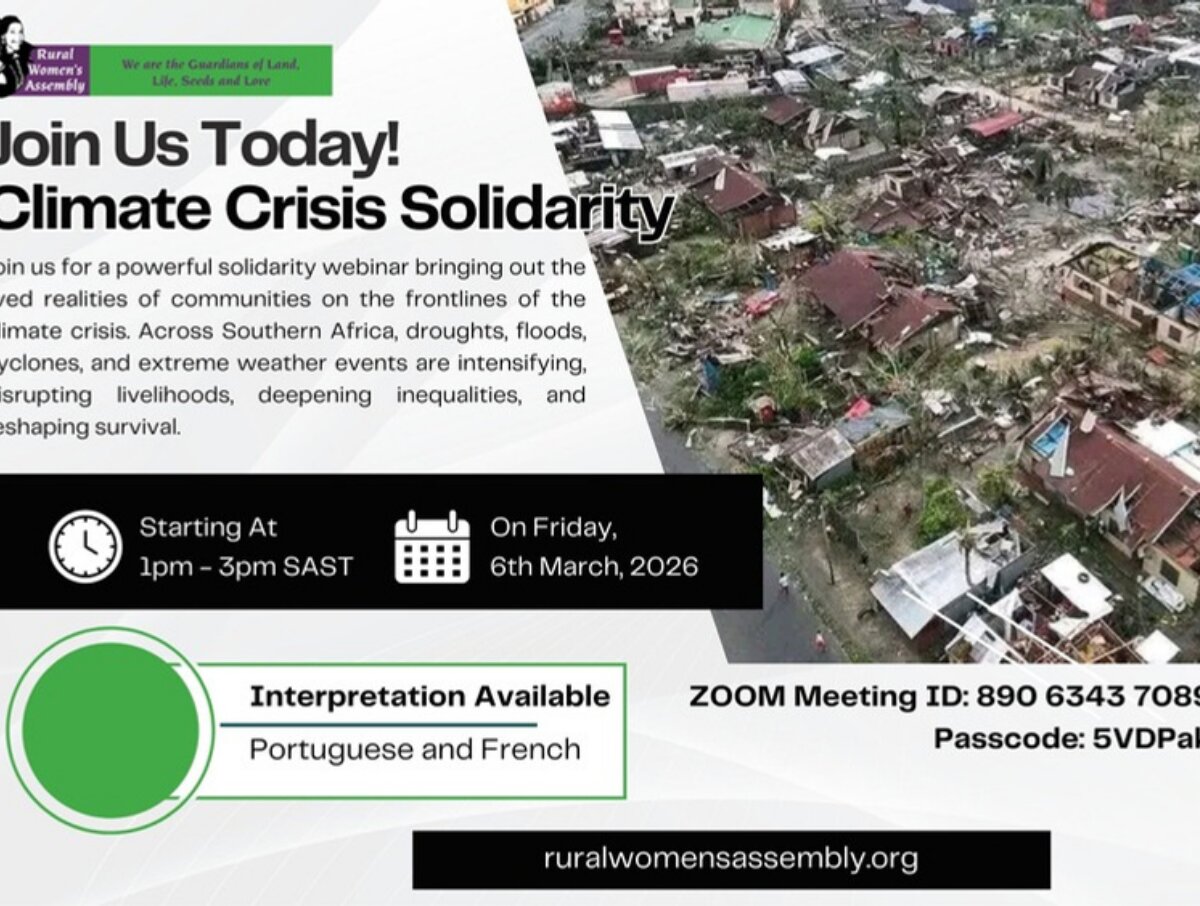
| | | | | | The Climate Crisis Solidarity Webinar united rural women across Southern Africa to share lived experiences, strengthen solidarity, and demand climate justice solutions. Watch the recording here.
|
|
| | | | | RWA Climate Crisis Statement
| | | | | | We, as rural women across Southern Africa, face intensifying floods, cyclones, and drought, demanding climate justice, solidarity, and urgent action for survival. Read Our Climate Statement. EN | PT| FR
|
|
|
|
| | | Climate Crisis Solidarity Webinar
| | | | | | The Climate Crisis Solidarity Webinar united rural women across Southern Africa to share lived experiences, strengthen solidarity, and demand climate justice solutions. Watch the recording here.
|
|
| | | | | | RWA Climate Crisis Statement
| | | | | | We, as rural women across Southern Africa, face intensifying floods, cyclones, and drought, demanding climate justice, solidarity, and urgent action for survival. Read Our Climate Statement. EN | PT| FR
|
|
|
|
| | | | | | Look Out for Our Naming Book Capturing
| | | | | | Look out for our powerful feminist naming book; an inspiring tool to understand, name, and challenge oppression while imagining liberated futures together.
|
|
|
|
| | | Look Out for Our Naming Book Capturing
| | | | | | Look out for our powerful feminist naming book; an inspiring tool to understand, name, and challenge oppression while imagining liberated futures together.
|
|
|
|
| | | | | | | | | | | • | For the first time in years, AWID have made the decision for our staff not to attend CSW70 in-person. This decision comes in response to escalating border violence, security risks and the fundamental inaccessibility of global policy spaces for feminists from the Global Majority. AWID at CSW70: Claiming Power, Refusing “Business as Usual”
|
| | • | Community and activist organisations are invited to apply for funding to support actions that respond to the impact of environmental, gender and economic injustice on communities, or campaigns to change particular situations that communities are struggling with. The action must be implemented and completed by 30 November 2026. Click here to read the full call for proposals and to register.
|
|
|
|
|
| | • | For the first time in years, AWID have made the decision for our staff not to attend CSW70 in-person. This decision comes in response to escalating border violence, security risks and the fundamental inaccessibility of global policy spaces for feminists from the Global Majority. AWID at CSW70: Claiming Power, Refusing “Business as Usual”
|
| | • | Community and activist organisations are invited to apply for funding to support actions that respond to the impact of environmental, gender and economic injustice on communities, or campaigns to change particular situations that communities are struggling with. The action must be implemented and completed by 30 November 2026. Click here to read the full call for proposals and to register.
|
|
|
|
|
|
|
| | | | | | | | | Copyright © 2026 Southern Africa Rural Women’s Assembly, All rights reserved.
| | | Our mailing address is:
| | | Southern Africa Rural Women’s Assembly
| | | Cape Town, Wc 8000
| | | South Africa
|
|
|
|
| | | | | | Copyright © 2026 Southern Africa Rural Women’s Assembly, All rights reserved.
| | | Our mailing address is:
| | | Southern Africa Rural Women’s Assembly
| | | Cape Town, Wc 8000
| | | South Africa
|
|
|
|
|
|