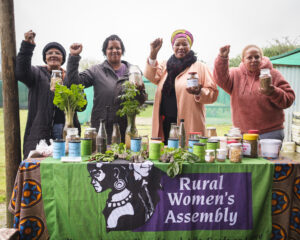
| Southern Africa finds itself in the grips of a devastating drought crisis, exacerbated by the El Niño weather phenomenon. This crisis, marked by below-average rainfall, prolonged dry spells, and extreme weather events, poses severe threats to food security, livelihoods, and the well-being of millions across the region. The severity of the drought is evident from the statistics: Malawi, Zambia and Zimbabwe have declared states of disaster, highlighting the urgent need for humanitarian assistance.Sudan is on track to become the world’s worst hunger crisis, according to the United Nations. For over a year, fighting between the Sudanese military and the rival Rapid Support Forces has disrupted the country, displacing over 8 million people who experience extreme hunger in the areas with the most intense fighting. The impacts are far-reaching, with over 50 million people facing food insecurity during one of the driest spells in decades. Vulnerable communities, particularly rural women and children, bear the brunt of the crisis, facing heightened risks of malnutrition, disease outbreaks, and displacement. |
| The causes of the drought are complex, but the El Niño weather phenomenon plays a significant role, bringing high temperatures and below-average rainfall to the region. This, coupled with environmental degradation and unsustainable land-use practices, has created a perfect storm of conditions conducive to drought. Moreover, climate change exacerbates these challenges, leading to erratic weather patterns and extreme events that further strain already vulnerable ecosystems and communities. Additionally, the patriarchal structures entrenched in our societies exacerbate gender inequalities, leaving women disproportionately affected by climate-related disasters. In light of the severity of the crisis, it is essential to adopt a multi-faceted approach that addresses both the immediate needs of affected communities and the underlying drivers of environmental degradation. Crucially, the voices and needs of vulnerable communities must be prioritised in all decision-making processes. Gender-responsive policies that empower women and promote gender equality are essential to ensuring that the most marginalised groups are not left behind in the response to the crisis. Furthermore, efforts to enhance agricultural resilience and promote sustainable farming practices such as agroecology are paramount in mitigating the impact of drought on food production. This includes promoting drought-resistant crop varieties, implementing soil conservation techniques, and providing training and support to farmers on environmentally sustainable agriculture. Additionally, investing in irrigation infrastructure and promoting water-efficient irrigation methods can help farmers cope with water scarcity and maintain productivity even during periods of drought. Furthermore, we must recognize and uplift the knowledge and expertise of rural women in adapting to climate change. For generations, they have been the stewards of the land, employing sustainable agricultural practices and traditional knowledge to cope with environmental variability. Now more than ever, there is a pressing need for urgent action to address the root causes of climate change and environmental injustice. This includes holding governments and multinational corporations accountable for their role in perpetuating the crisis and advocating for systemic changes that prioritise people over profit. As we navigate these uncertain times, it is also important to remember that the fight for climate justice is inherently linked to the fight for gender equality and social justice. |
| Our Women’s Day Commemorations |
 |