| | Women’s Month Is Not Enough: Rural Women Are Still Carrying the Weight of an Unjust World
| | Every year, Women’s Month gives us a moment to speak about women, to celebrate women, to tell stories of courage, resilience and leadership. We see messages honouring us for holding families together, feeding communities, leading movements and surviving circumstances that would break many people. For us as rural women, however, celebration can never be separated from struggle. Across Southern Africa, we wake up every day to do the work that keeps families, communities and local food systems alive. Yet we, the same women doing this work, continue to have the least access to land, finance, markets, technology, political power and public resources.
| This contradiction must remain at the centre of how we speak about Women’s Month. We cannot celebrate ourselves as the rural women who feed nations while remaining silent when we are pushed off the land we cultivate. We cannot praise ourselves for preserving indigenous seed while laws and commercial interests increasingly threaten our rights as farmers to save, exchange and reproduce our own seed. We cannot allow ourselves to be described as climate heroes while our communities, which have contributed almost nothing to the climate crisis, continue to experience droughts, floods, cyclones, crop failure and hunger. These struggles are not separate.
| Across the region, access to land with water remains one of the clearest examples of this injustice. We are among the largest contributors to agricultural labour and food production, yet many of us still farm land we do not own and cannot control. Our access is often dependent on husbands, fathers, traditional structures or arrangements that can disappear when relationships change, when a spouse dies or when investors arrive. Without secure land with water, everything else becomes uncertain.
| The same is true of seed. For generations, we as rural women have been custodians of seed knowledge. We know which varieties survive drought, which crops grow well together, which seeds store best, which plants nourish our families and which varieties carry the history of our communities. Yet today, decisions about seed are increasingly being influenced by commercial interests that see seed primarily as something to be owned, registered and sold. Protecting farmer managed seed systems is therefore about power. It is about who controls food systems and whether our rural communities will continue to have the right to shape our own future.
| The climate crisis has made these questions even more urgent. Across Southern Africa, we are living through seasons that no longer behave as they once did. Climate change therefore has a gendered face, and in many of our communities that face is ours, as rural women trying to decide how to feed our families from empty fields.
| This is why our struggles remain connected. Land justice cannot be separated from gender justice. Climate justice cannot be separated from food justice. Seed sovereignty cannot be separated from economic justice. The struggle against violence cannot be separated from our access to resources and power. We understand these connections because we live them.
| Within the Rural Women’s Assembly, we continue to prove that another future is possible. We are building agroecological food systems, strengthening farmer managed seed systems, restoring biodiversity, creating local economies and organising across borders. These practices offer lessons for how our societies can respond to hunger, inequality and the climate crisis. Women’s Month should be a moment of reckoning. A moment to ask why we, the women producing food, remain hungry. Why we, the women caring for land, remain landless. Why we, the women protecting seed, are excluded from decisions about seed policy. Why our communities, which contributed least to climate change, continue paying the highest price.
|
|
|
|
| | | RWA 5th Feminist Agroecology School
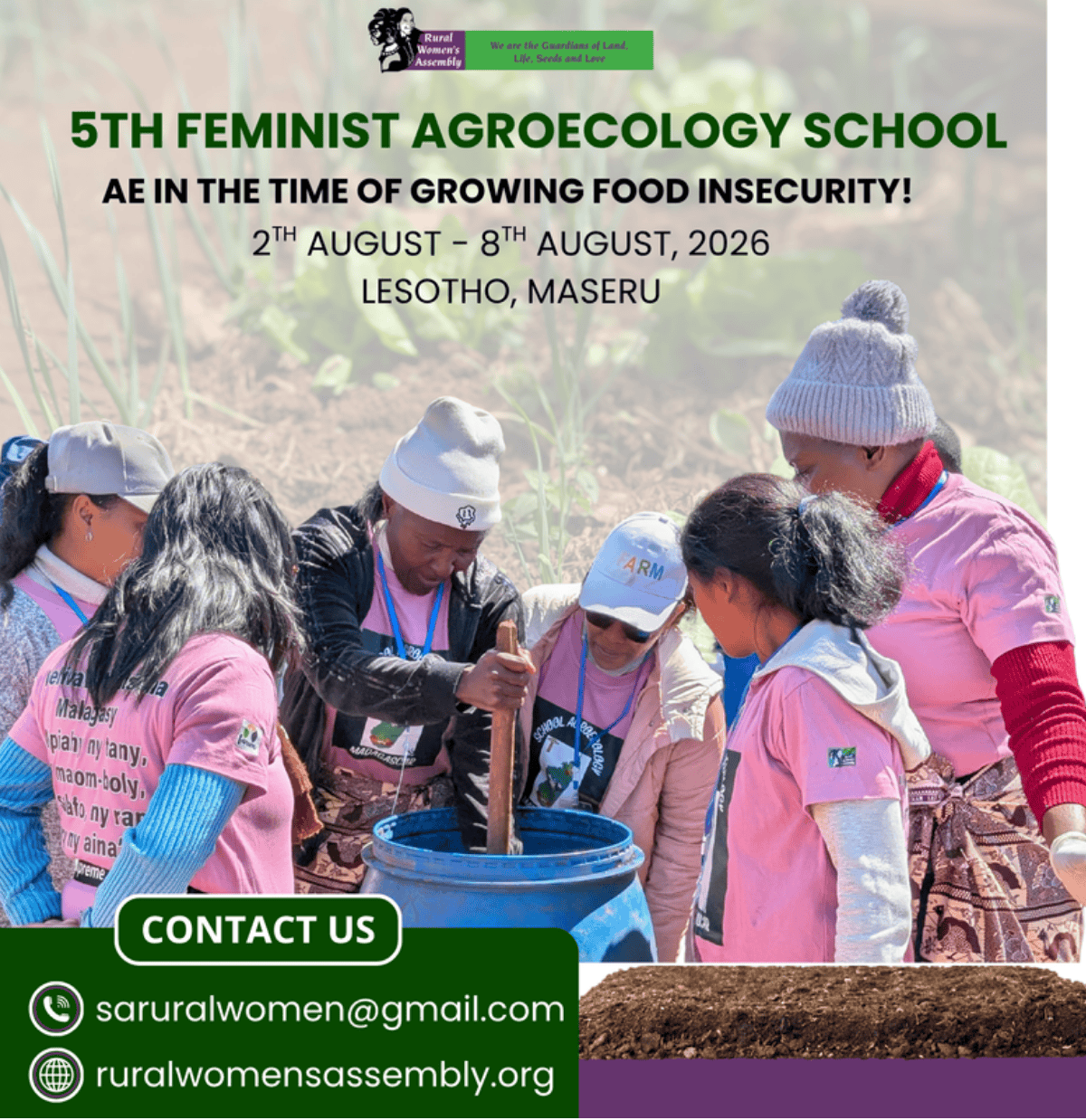
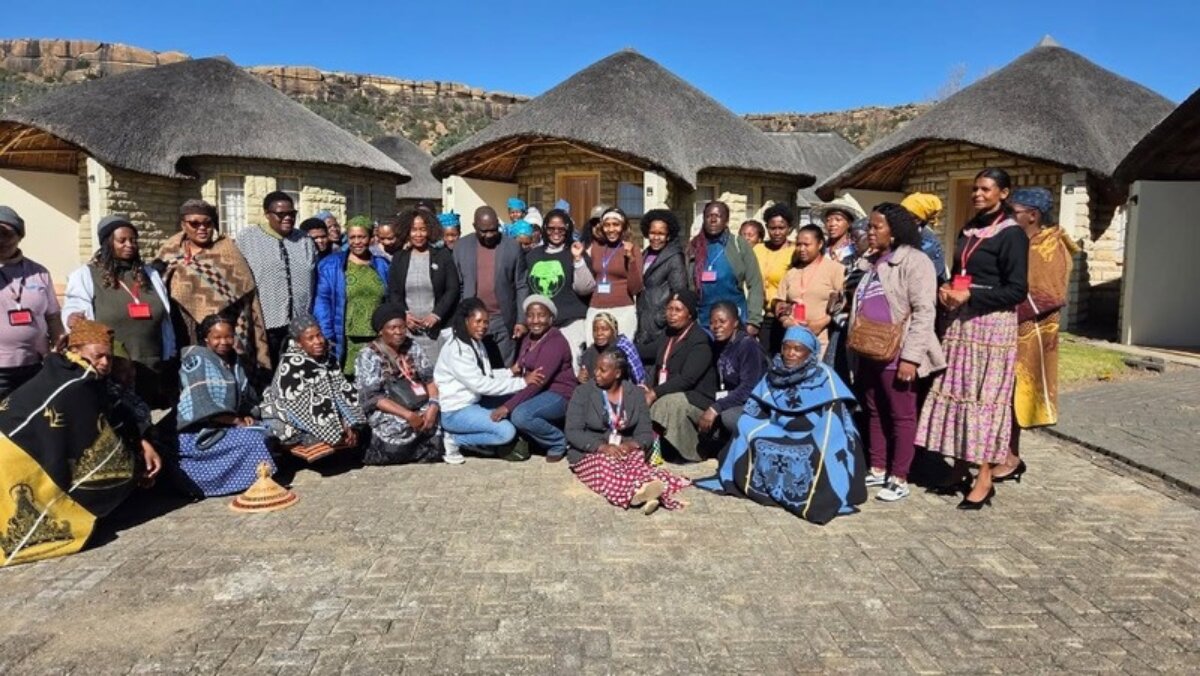
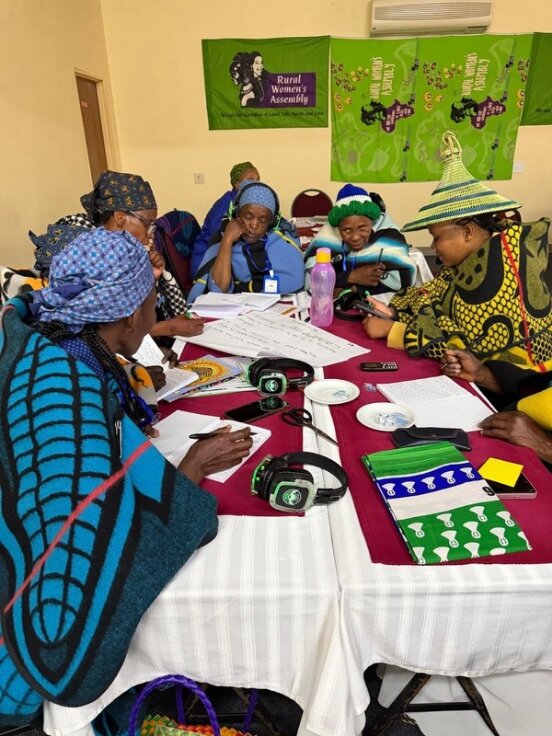
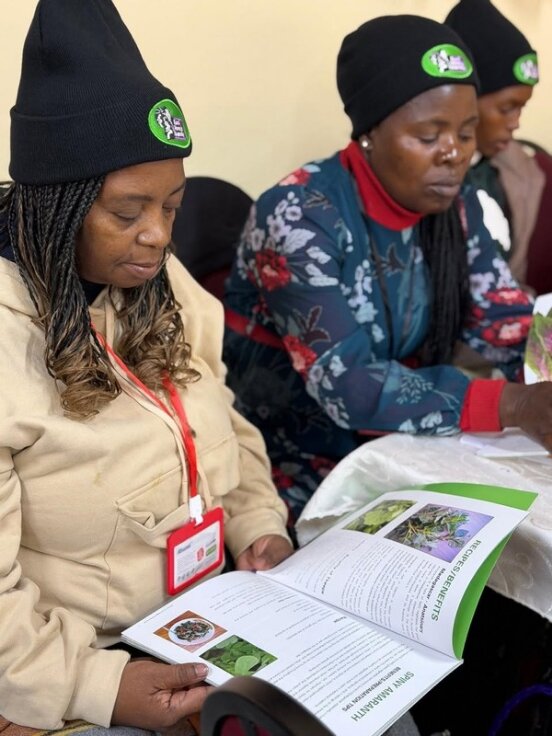
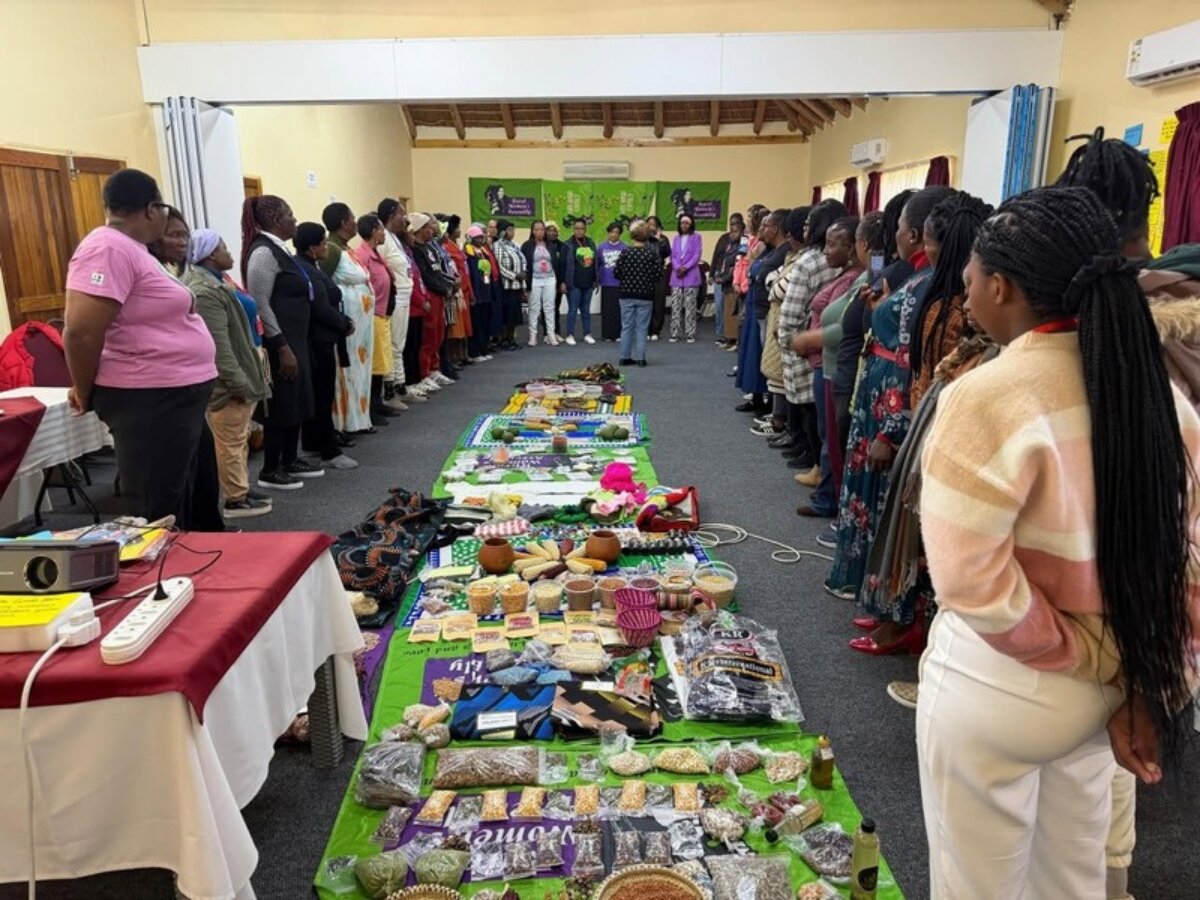
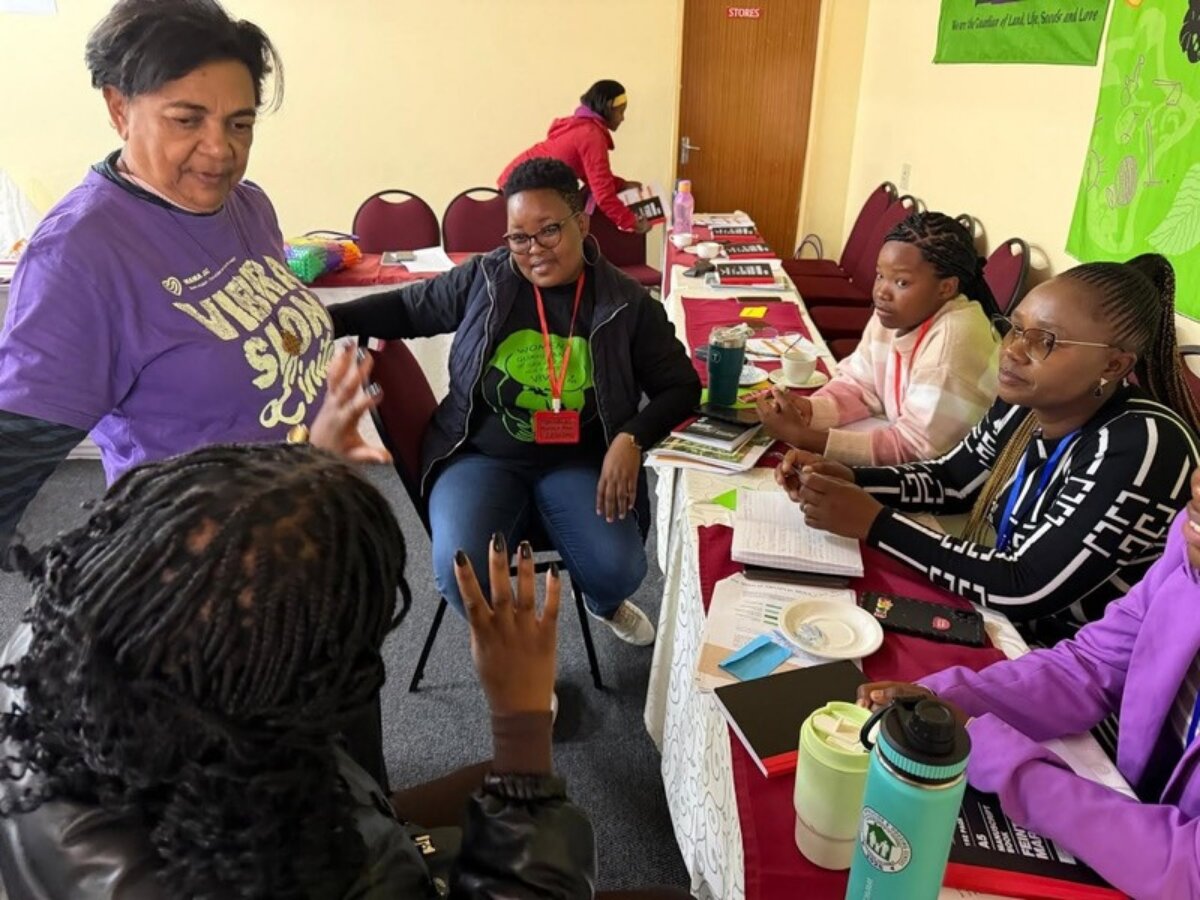
| | From 2 to 8 August 2026, rural women, farmers, activists and agroecology practitioners from across Southern Africa gathered in Lesotho for the Rural Women’s Assembly 5th Feminist Agroecology School. The school was held under the timely theme, “Agroecology in the Time of Growing Food Insecurity.” The school took place at a time when food insecurity had become an everyday reality for millions of people across the region. Rural communities were facing prolonged droughts, unpredictable rainfall, floods, declining soil fertility, rising food prices and the increasing cost of seed, fertiliser and other agricultural inputs. For rural women, these challenges were deeply felt because they remained at the centre of food production for families and communities.
| |
|
|
|
| | | | | Country Chapter Articles & Stories
|
|
|
|
| RWA South Africa: WOMEN HAVE ALWAYS RESISTED. WOMEN WILL ALWAYS RISE
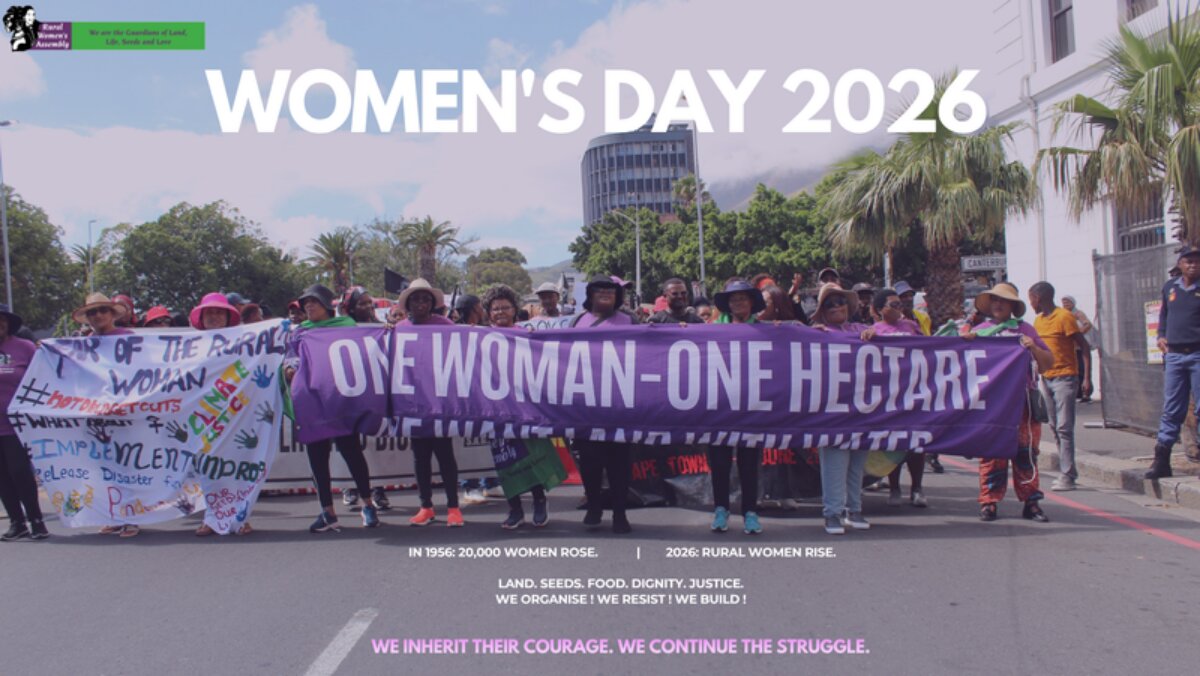
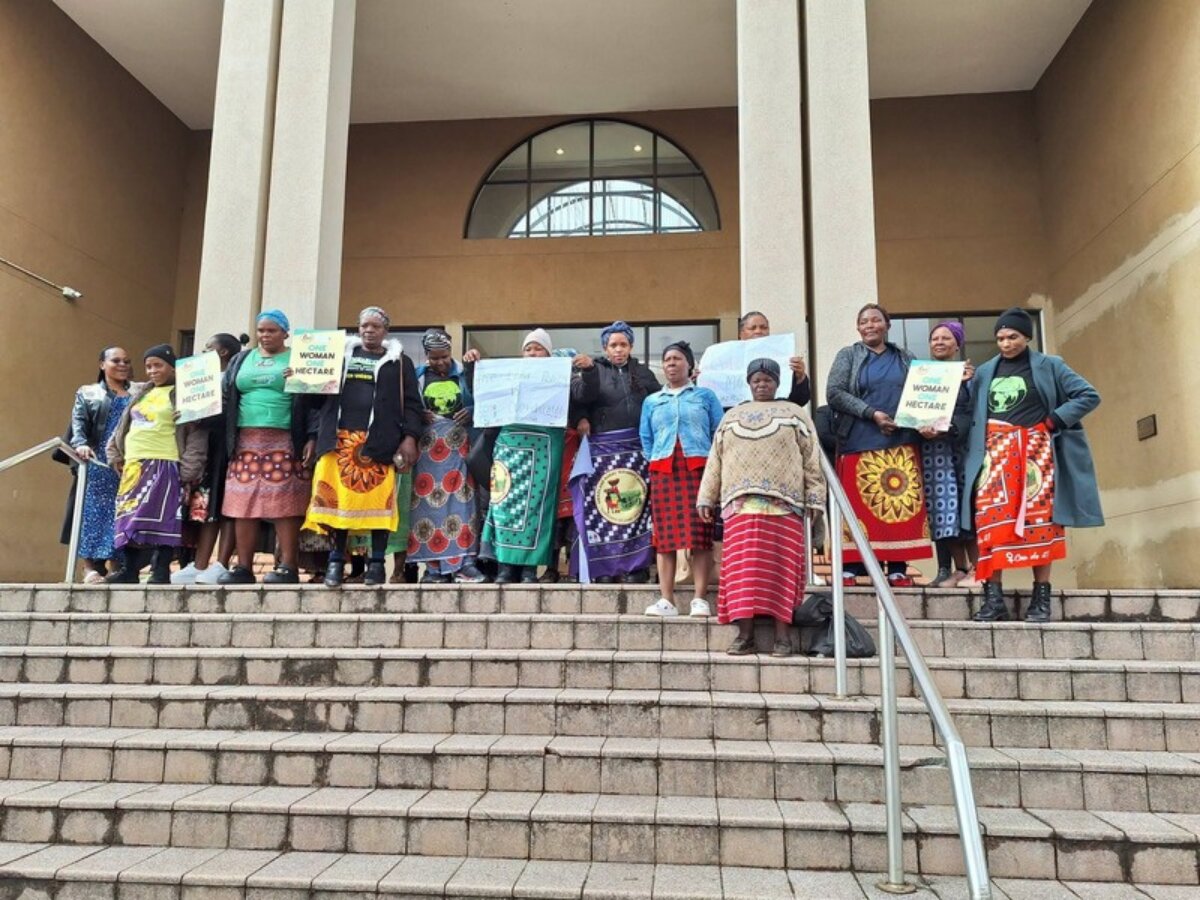
| | August 2026 marks 70 years since the historic Women’s March of 9 August 1956, when more than 20,000 women marched to the Union Buildings against apartheid pass laws. Today, Rural Women’s Assembly South Africa continues this legacy by organising with rural women around land, water, seeds, food sovereignty, economic justice, climate justice, safety and dignity. This Women’s Month, RWA SA provincial structures transformed remembrance into action, demonstrating that women’s struggles are interconnected and that meaningful change comes through collective organising. Read More.
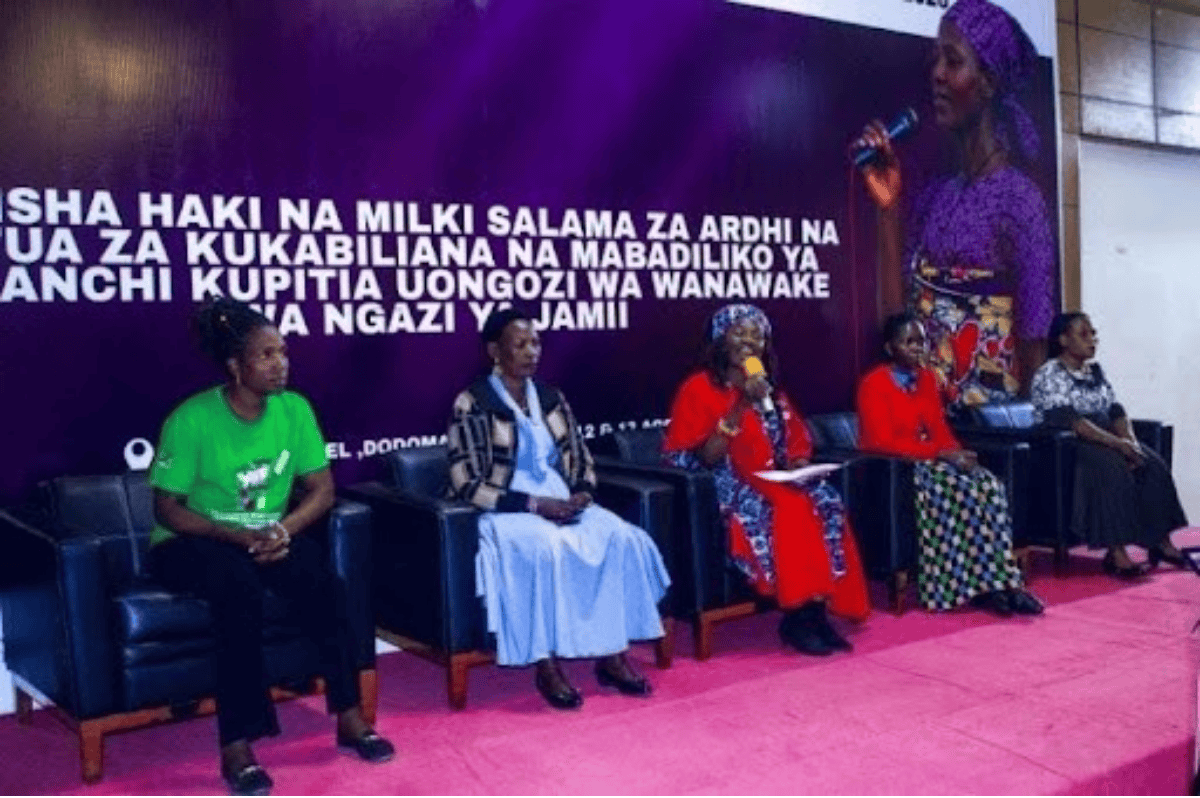
| RWA Tanzania: Strengthening Women’s Access to Land through symposium meeting
| | On August 12–13, 2026, LANDESA, through its “Stand for Her Land” campaign, organized a symposium at Morena Hotel in Dodoma, where the Tanzania Rural Women Assembly had the opportunity to participate. The symposium brought together a diverse range of stakeholders, including community representatives from 12 regions of Tanzania. The event also brought together government representatives from various ministries and departments, development partners, researchers, paralegals, and civil society organizations. The Tanzania Rural Women Assembly was represented by three rural women from Iringa and Arusha regions, who actively participated in the discussions and shared their experiences and perspectives on women’s access to and rights over land. Read More.
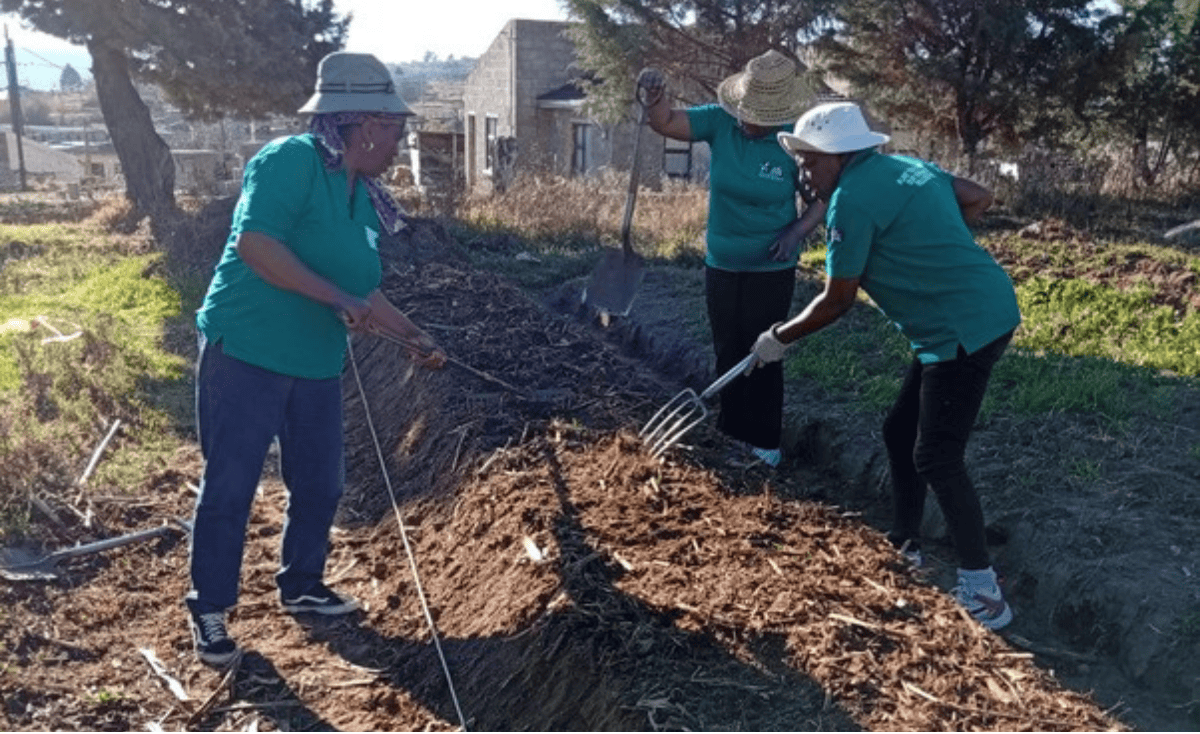
| RWA Lesotho: From the Classroom to the Field
| | The Feminist Agroecology School strengthened women’s practical understanding of agroecology, biodiversity, indigenous seeds, soil health, climate change and food sovereignty. Practical learning included Bokashi, organic fertilizers, natural pest control, agroforestry and climate adaptation. The participant evaluation identified the practical sessions as the most useful because the skills could be applied directly in communities. Sisters returned to their respective communities equipped with knowledge and immediately began sharing it with other sisters. The result is a growing chain of action: knowledge is being transferred, practices are being tested, and women are developing practical responses to climate and food challenges. Read More.
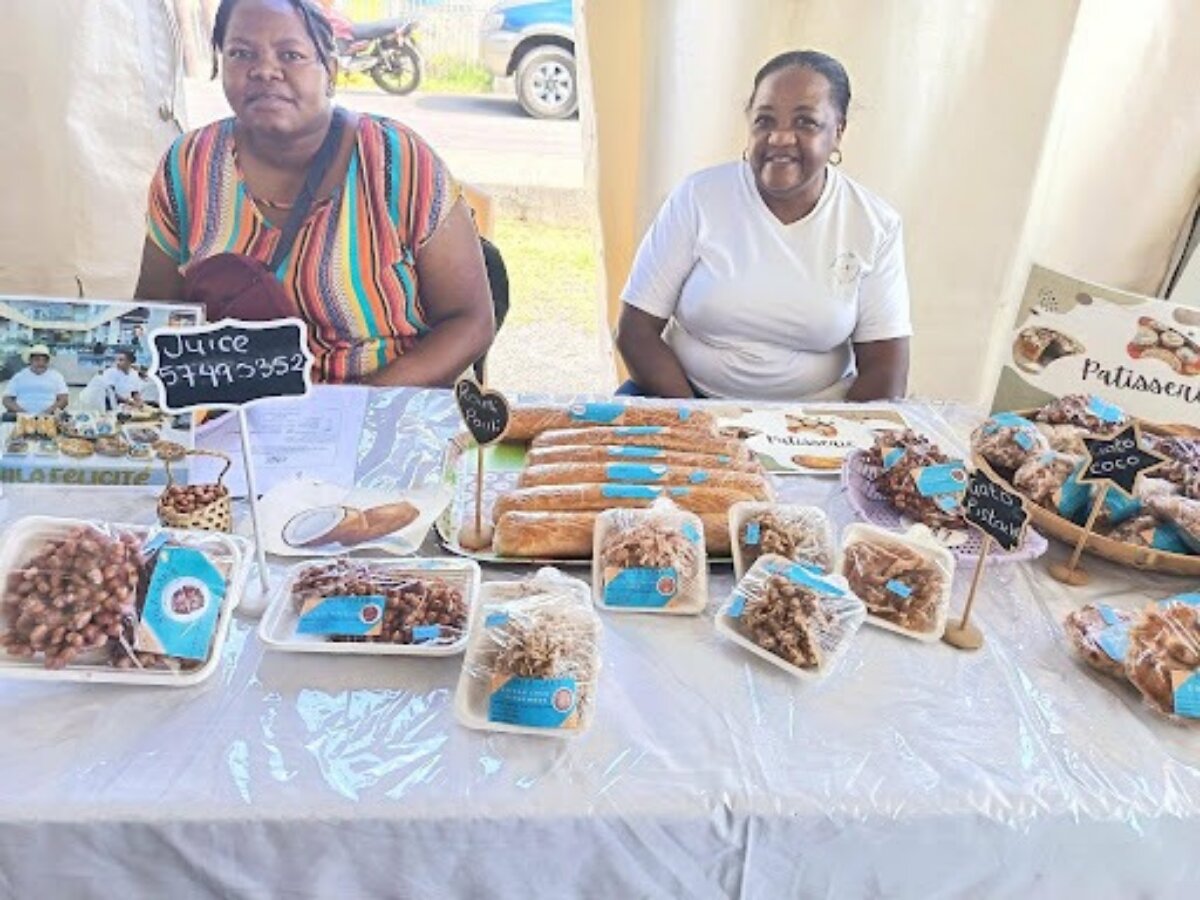
| RWA Mauritius: Sales Exhibition and market for Regional Women Farmer in Rodrigues
| | A marketplace and sales exhibition brought together grassroots women entrepreneurs, small-scale farmers, food producers, artisans, and other local businesses to showcase and sell products made or grown in Rodrigues on 28 July to 01 August 2026. The exhibition was a 3 day sales event. It can become a platform for inclusive local economic development. By helping small producers reach markets and increasing the visibility of women-led enterprises, the initiative can contribute to stronger household incomes and greater economic participation. Read More.
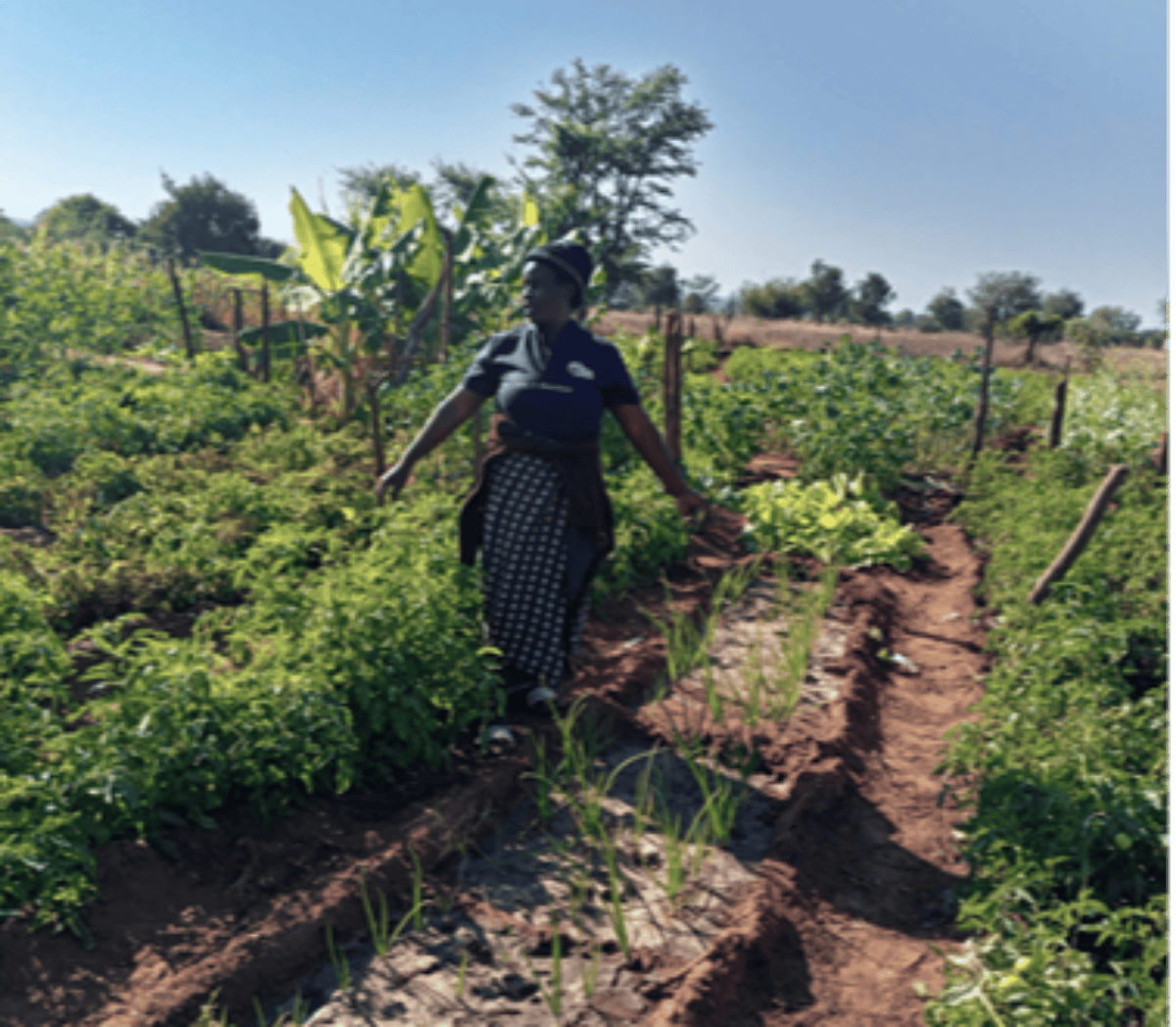
| RWA Zimbabwe – She Multiplies What She Gets
| | Sithembile Mtetwa, a farmer from Chipinge District, Zimbabwe, embodies this spirit. Her journey demonstrates how women’s leadership, financial inclusion, agroecology and consistent reinvestment can strengthen food and seed sovereignty while building resilience to climate change. Sithembile was introduced to the Rural Women’s Assembly (RWA) through the Zimbabwe Farmers’ Union. She immediately recognized the Assembly as an important platform through which she and other rural women could organize, learn and collectively challenge structural barriers affecting their access to productive resources and economic opportunities. Read More.
| RWA Zambia: Land Grabbing and Displacement a Major Issue at Hand
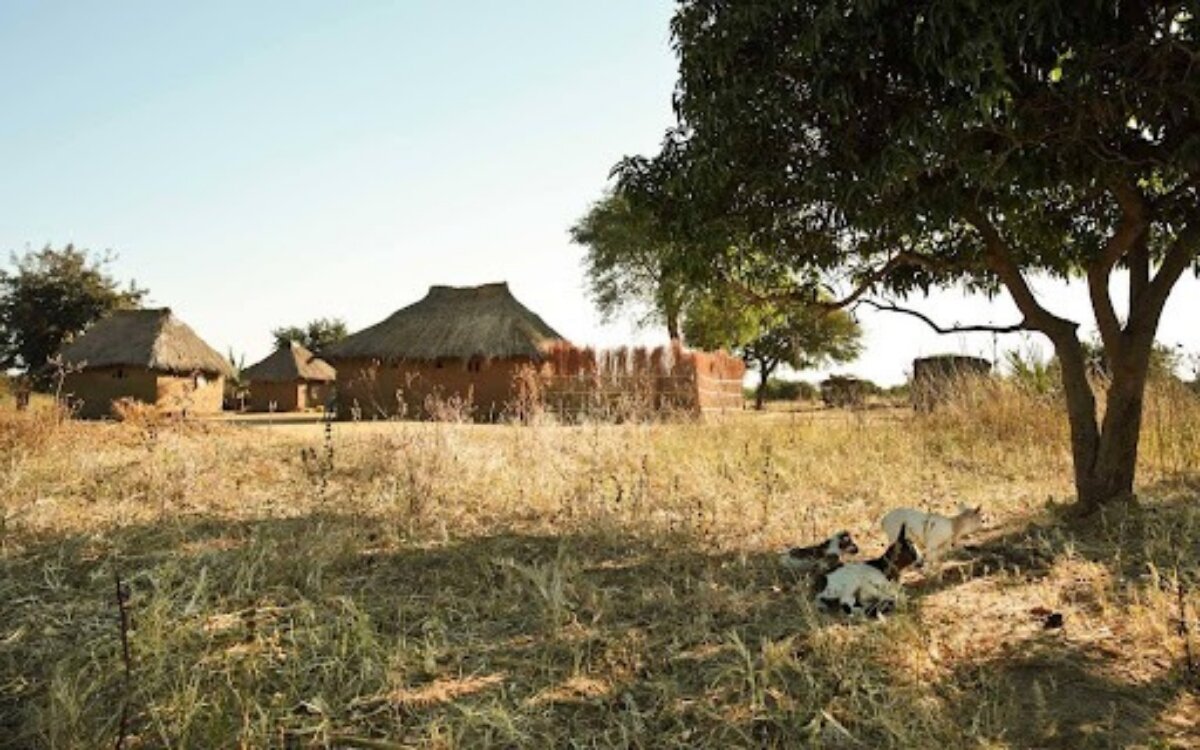
| | Land grabbing in rural Zambia is emerging as a growing concern, particularly for smallholder farmers and vulnerable rural women who depend on customary land for their livelihoods and homes. The rapid conversion of customary land into private and commercial property can displace communities, threaten food security and leave women and children particularly vulnerable to homelessness and economic hardship. For rural women on the Copperbelt, the loss of land is not just about losing a piece of property—it can mean losing a home, a source of livelihood and a sense of security. Read More.
| RWA Madagascar: Ecology Festival in Analavory
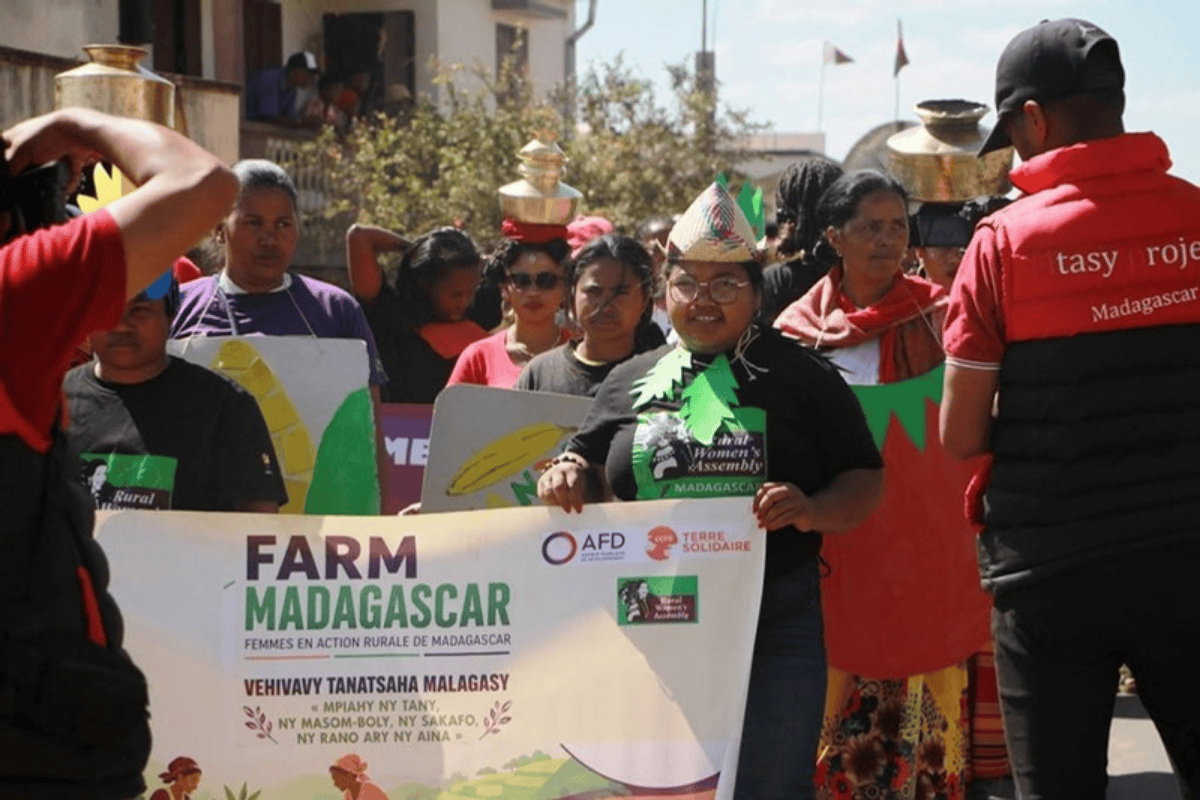
| | From 2 to 4 August 2026, the commune of Analavory hosted the fifth edition of the Ecology Festival, an event dedicated to environmental protection, the promotion of local initiatives and citizen mobilisation for more sustainable development. Over the years, the festival has become an important space for dialogue, expression and the sharing of experiences around environmental issues. This fifth edition stood out because of its strong commitment to going beyond exhibitions and awareness raising by directly strengthening the knowledge and capacities of local communities. Previous editions highlighted the importance of creating space for artistic expression, citizen demands, community initiatives, and the promotion of natural and cultural resources. Read More.
| RWA Swaziland: Eswatini Urgently Needs a Land Policy that Protects Women’s Rights
| | Recently the Swaziland Rural Women’s Assembly (SRWA) stood alongside one of our sister, a widow, at the High Court as she faced a land dispute with her brother-in-law. After the death of her husband, her brother-in-law claimed the land on which she and her children had built their lives, her home, her children’s security and her livelihood were suddenly at risk. Across Eswatini, women can spend years, even generations, living on land, raising children, farming and building homes, yet their access can remain insecure. A woman may have lived on land for decades and still struggle to prove her right to remain there. Read More.
| RWA Mozambique: Sara José Homo, A Story of Resilience, Farming and Recover
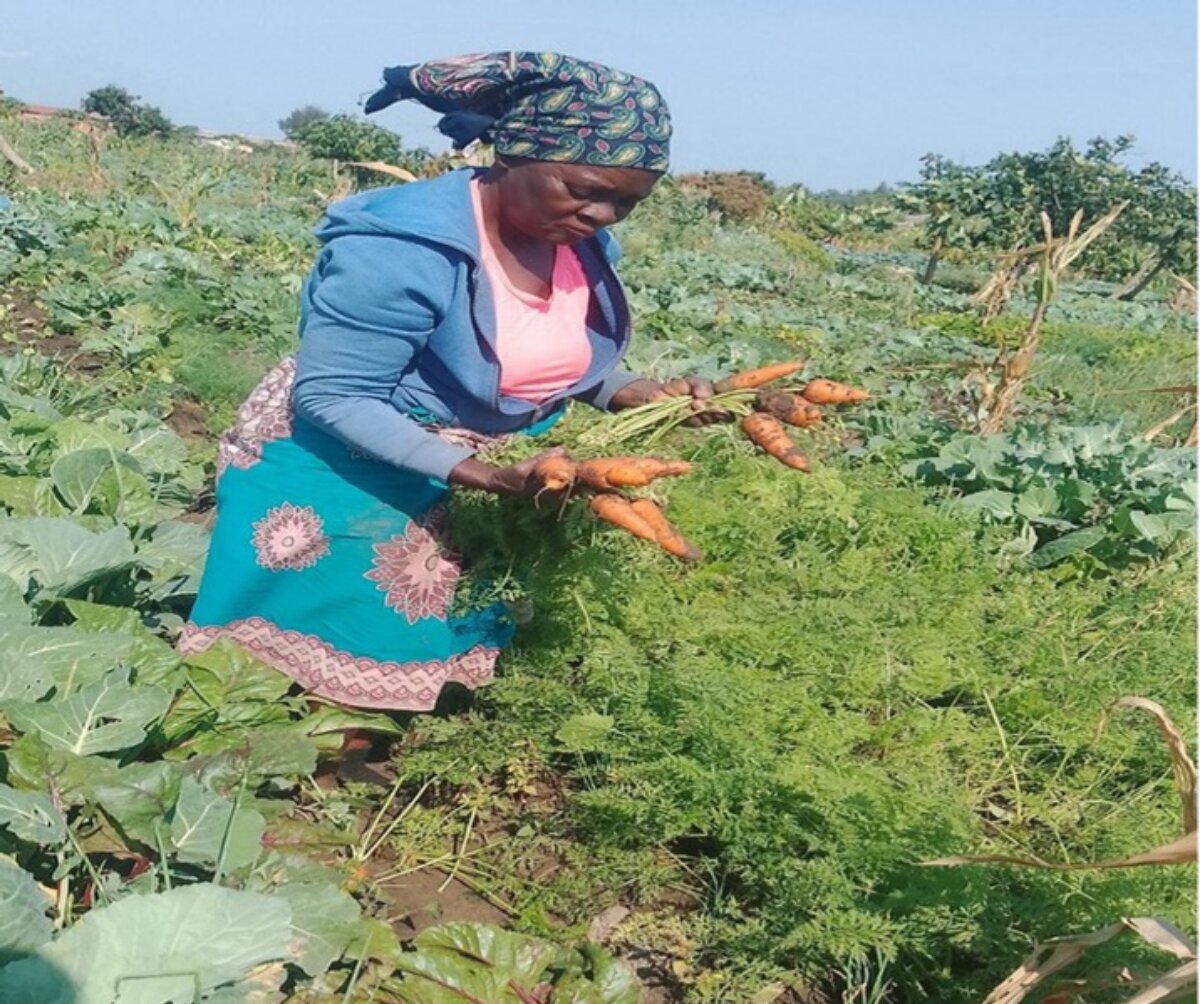
| | Maria Sara José Homo is a 68-year-old widow and farmer living in Maputo. Her relationship with farming began when she was still young, working alongside her parents in Gaza, where the family practised subsistence agriculture. When she later moved to Maputo to marry, she carried that passion for farming with her and continued cultivating the land. Sara had four children with her husband. After his death, she was left to raise the children while they were still young. Farming became an important source of survival and stability for the family. Through her agricultural work, she was able to provide for their basic needs and support their schooling. Looking back on the challenges she has faced, Sara believes that remaining a farmer has been worthwhile and has helped her overcome many obstacles. Follow on LinkedIN and Like Us on Instagram
| | | | • | The African Centre for Biodiversity (ACB), Third World Network (TWN), and Unpoison warmly invite you to join a webinar on genetically engineered pesticides and RNA-based pest control—an emerging and rapidly developing area of genetic engineering that is being promoted globally as a new generation of pest-management tools. More Info here.
|
| | • | 𝗧𝗵𝗲 𝗞𝗲𝗻𝘆𝗮 𝗬𝗼𝘂𝘁𝗵 𝗶𝗻 𝗔𝗴𝗿𝗶𝗳𝗼𝗼𝗱 𝗦𝘆𝘀𝘁𝗲𝗺𝘀 𝗦𝘂𝗺𝗺𝗶𝘁 (𝗞𝗬𝗔𝗦𝗦) 𝟮𝟬𝟮𝟲 𝗶𝘀 𝗵𝗲𝗿𝗲! From 2–4 September, #YoungChangemakers, #Policymakers, innovators and partners will come together at the Kenya School of Government, Kabete under the theme: “𝙔𝙤𝙪𝙩𝙝 𝙇𝙚𝙖𝙙𝙞𝙣𝙜 𝙍𝙚𝙨𝙞𝙡𝙞𝙚𝙣𝙩 & 𝙎𝙪𝙨𝙩𝙖𝙞𝙣𝙖𝙗𝙡𝙚 𝘼𝙜𝙧𝙞𝙛𝙤𝙤𝙙 𝙎𝙮𝙨𝙩𝙚𝙢𝙨.” Join the Whatsapp group for more details.
|
| | • | The AFSA shared The 2023 Kinshasa Declaration set the process in motion. Meeting in Yaoundé from 25 to 27 August 2026 under the theme of agroecology for inclusion, sustainable food systems, biodiversity and climate justice, 187 delegates from 20 countries, including the six Congo Basin states (Cameroon, the Central African Republic, the Republic of Congo, the Democratic Republic of Congo, Equatorial Guinea and Gabon), adopted the Yaoundé Declaration 2026, 24 calls, commitments and follow-up actions.
|
|
|
|
|
|
|
| | | Copyright © 2026 Southern Africa Rural Women’s Assembly, All rights reserved.
| Our mailing address is:
| Southern Africa Rural Women’s Assembly
| Cape Town, Wc 8000
| South Africa
|
|
|
|
|
|