
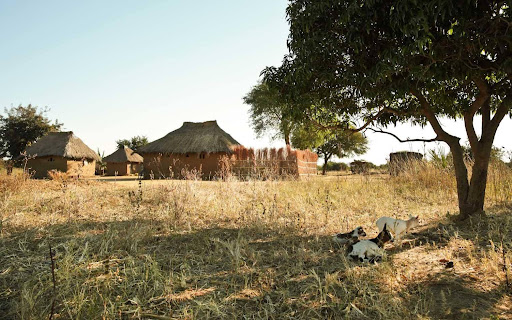
Land grabbing in rural Zambia is emerging as a growing concern, particularly for smallholder farmers and vulnerable rural women who depend on customary land for their livelihoods and homes. The rapid conversion of customary land into private and commercial property can displace communities, threaten food security and leave women and children particularly vulnerable to homelessness and economic hardship. For rural women on the Copperbelt, the loss of land is not just about losing a piece of property—it can mean losing a home, a source of livelihood and a sense of security.
A LIFE CHANGED BY TRAGEDY
Loveness Nyambe knows this experience all too well.
Following the death of her husband, Mrs. Nyambe was left to care for her children. Her troubles deepened in October 2015 when one of her daughters was murdered while the family was living at their farm.
Mrs. Nyambe says she was subsequently arrested together with six of her remaining children and three grandchildren, including babies aged between two weeks and three months, over allegations of murder and malicious damage.
She says she and four of her older children were later convicted and sentenced to a combined 60 years in prison, with some of them taken to maximum-security prison.
“After my husband died, I was left with the children and one year later my daughter was murdered. After she was murdered, we got arrested and took us to Kamfinsa Prison in Kitwe and started going to court where we were all sentenced to sixty (60) years imprisonment,” she said.
Mrs. Nyambe says the sentence was shared among the adults, while the babies remained with the family during the ordeal.
She and her family spent one year and nine months in custody before her son, who had not been convicted, pursued an appeal against the conviction.
The appeal eventually succeeded, and the case was overturned, resulting in their acquittal on August 29, 2020.
“I kept wondering why I could be accused of killing my own daughter. The judges who handled the case later acquitted us,” she explained.
RELEASED, BUT HOME WAS GONE
For Mrs Nyambe, freedom did not mean the end of her suffering.
Upon returning home after her acquittal, she says she discovered that her late husband’s family had sold the farm where she had been living.
Her belongings were scattered, leaving her and her children and grandchildren without a home.
With no means to rebuild their lives, Mrs. Nyambe says well-wishers stepped in to provide household items, while another Good Samaritan offered her a piece of land where she has since continued living with her family.
She says the support has given them an opportunity to rebuild their lives after years of trauma and hardship.
‘I WAS TOLD I HAD NO RIGHT TO INHERIT’
Mrs Nyambe’s experience is echoed by Carol Tembo of Kalilo Rural Women’s Assembly in Chingola.
Ms Tembo says she lost the only piece of land she considered home following the deaths of her grandfather and father.
She says she had lived with them at the family farm along the Solwezi–Chingola road, but after her father died, relatives from her father’s side took control of the property and eventually sold it.
“My grandfather was the first to die, then followed my father. I lived with them at the farm. After my father died, relatives from my father’s side took the land and sold it, and told me I had no right as a grandchild to inherit the land,” she said.
Ms Tembo says she was left with nowhere to live despite considering the property her family home.
Her situation has been made more difficult by the responsibility of raising her children after their father who was her husband left the family for another woman.
She is now appealing to well-wishers, organizations and people of goodwill for assistance in securing a safe place to live with her children.
A CALL FOR ACTION
The experiences of Ms Nyambe and Ms Tembo highlight the vulnerability of rural women when access to land and inheritance rights are disputed.
For women who depend on land for farming, housing and raising their families, losing land can have consequences that stretch across generations.
Their stories raise important questions about women’s access to customary land, inheritance, documentation, legal protection and access to justice.
As Zambia continues to experience increased pressure on land, rural women and other vulnerable groups need stronger protection against displacement and unfair loss of land.
For women like Loveness Nyambe and Carol Tembo, the call is simple: land is not merely property—it is a home, a livelihood and a foundation for family survival.
Land grabbing in rural Zambia is a widespread systemic issue driven by the rapid conversion of customary land into private commercial property.
This process frequently displaces smallholder farmers, threatens rural food security, and disproportionately impacts marginalized groups like women and children
Loveness Nyambe has narrated a traumatic ordeal she went through following the death of her husband, which left her to care for her children.
Ms Nyambe says her troubles deepened after one of her daughters was murdered in October, 2015, while the family was living at their farm.
She says she was subsequently arrested together with her remaining six children and three grandchildren aged between 2 weeks and 3 months over allegations of murder and malicious damage in 2016.
She says she and four of her older children were later sentenced to a combined 60 years in prison, with four of them being taken to maximum-security prison.
“After my husband died, I was left with the children and one year later my daughter was murdered. After she was murdered, we got arrested and took us to Kamfinsa Prison in Kitwe and started going to court where we were all sentenced to sixty (60) years imprisonment,” she lamented.
“The court shared the 60 year sentence among us, 10 years for each since we were 6 adults and 3 babies aged between 2 weeks and 3 months,” she explained.
According to Mrs. Nyambe, she and her children and grandchildren spent one year and nine months in custody before her son, who had remained outside prison, pursued an appeal against the conviction.
She says the case was later overturned, leading to their acquittal on August 29, 2020.
“My son, who was not convicted, made an appeal application and after one year and nine months, it was approved and we went to the Supreme Court, I was asked if the woman who had died was mine, and I told them she was my biological daughter. I kept wondering why I could be accused of killing my own daughter. The judges who handled the case later acquitted us,” she explained.
However, Ms Nyambe says her ordeal did not end after her release.
She explains that upon returning home, she discovered that her late husband’s family had sold the farm where she had been living, leaving her belongings scattered and once again without a home.
Ms Nyambe says Good Samaritans later came to her aid by contributing household items while another gave her a piece of land where she has continued living with her children and grandchildren.
She says the support from well-wishers has given her and her family a place to rebuild their lives after years of hardship.
In a similar development, Carol Tembo of Kalilo Rural Women’s Assembly in Chingola on the Copperbelt Province has appealed for help after losing the only piece of land she considered home following the death of her grandfather and father.
Ms Tembo says relatives from her father’s side sold the land, leaving her with nowhere to live.
She says she was left with no place to call home despite having regarded the property as her family home.
Ms Tembo explains that when she sought answers from her relatives, she was told that the land was not meant for grandchildren to inherit.
My name is Mary Tembo from Kalilo along the Solwezi – Chingola road. My grandfather was the first to die then followed by my father. I lived with them at the farm. After my father died, relatives from my father’s side took the land and sold it, and told me I had no right as a grandchild to inherit the land,” she grieved.
Ms Tembo, who is also raising children after their father left the family for another woman, says the situation has left her struggling to find a safe place to stay with her children.
She is now appealing to well-wishers, organizations and other people of goodwill to come to her aid with any form of support that could help her secure a place to live.
Ms Tembo says any assistance received would go a long way in giving her and her children a place they can call home.


Pingback: Assembleia Das Mulheres Rurais Da Africa Austreal Boletim Informativo Agosto 2026 – Rural Women's Assembly