Chipinge and Chimanimani remain among the communities hardest hit by recurring cyclones and prolonged droughts in Zimbabwe. This farming season has once again exposed the harsh realities faced by rural families as climate-related disasters continue to intensify. Heavy rains brought by cyclones swept through fields, washing away fertile topsoil, destroying crops, and leaving devastation across farming communities. Before families could recover, prolonged dry spells followed, leaving many households without harvests, food reserves, or seeds for the next planting season.
For many women in these communities, the impacts are devastating. In only a few weeks, families lose not only their crops, but also their food security, livelihoods, and the foundation needed to restart farming. In rural communities where agriculture is the primary source of food and income, losing seed means losing hope for recovery.
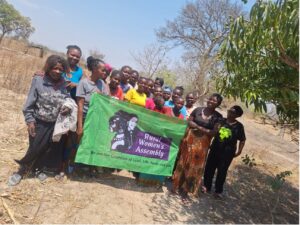
In response to these recurring crises, the Rural Women Assembly (RWA) Zimbabwe continues to strengthen awareness and action around seed selection, seed saving, and community seed banking as critical strategies for resilience and survival. Working closely with women farmers in disaster-prone areas such as Chipinge and Chimanimani, RWA continues to encourage communities to preserve indigenous seeds that are adapted to local climatic conditions and capable of surviving harsh environments.
For generations, rural women have been custodians of seed preservation and biodiversity within their communities. Through indigenous knowledge passed down over time, women have selected, stored, and protected seeds that are resilient, drought tolerant, and suited to local farming conditions. These traditional seeds are important not only for food production, but also for protecting community independence and ensuring long-term food security.
However, recurring cyclones and droughts continue to threaten local seed systems. During floods and heavy rains, many families lose their stored seeds together with their crops and household property. Without seeds, communities struggle to plant during the next farming season, increasing dependence on external food aid and expensive commercial seed varieties that are often difficult for rural families to afford.
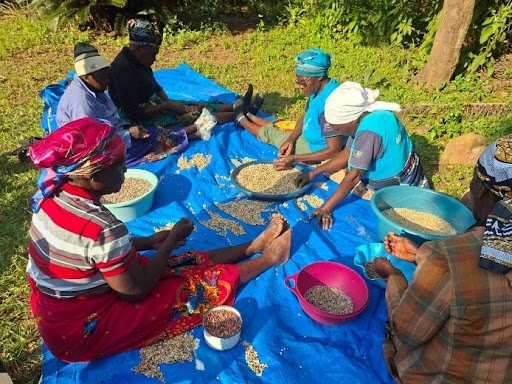
RWA Zimbabwe is therefore emphasizing the importance of continuous seed selection and seed saving throughout the farming season. Women farmers are being encouraged to identify healthy, strong, and resilient crops during harvest and carefully preserve seeds for future use. In communities that frequently experience climate disasters, seed saving is becoming more than a farming practice it is now a survival strategy.
RWA Zimbabwe continues to raise awareness on the importance of preserving indigenous seed varieties because they are often more adaptable to changing climatic conditions than hybrid commercial seeds. Traditional seeds are capable of surviving drought conditions, recovering after heavy rains, and producing crops under difficult environmental conditions. For rural women, preserving these seeds means protecting their ability to feed their families even during times of crisis.
One of the key approaches being strengthened by RWA Zimbabwe is the establishment and use of community seed banks. These seed banks serve as collective storage spaces where communities preserve and protect locally adapted seeds for future planting seasons. In times of disaster, when household seed reserves are destroyed by floods or drought, seed banks become an important source of recovery for affected families.
For women in Chipinge and Chimanimani, community seed banks are becoming a lifeline. Instead of starting from nothing after every cyclone or drought, communities are able to access preserved seeds and continue farming. Seed banks are also strengthening solidarity among women farmers as they work together to exchange seeds, share indigenous knowledge, and support one another in rebuilding livelihoods after climate-related disasters.
Women participating in seed saving initiatives are also becoming stronger advocates for community resilience and food sovereignty. Through community meetings, exchanges, and trainings, women continue to share knowledge on proper seed selection, storage methods, and preservation practices that improve seed quality and viability for future seasons.
Despite facing repeated losses caused by cyclones and droughts, rural women continue to demonstrate remarkable resilience and determination. They remain at the forefront of protecting seeds, preserving biodiversity, and sustaining household food security within their communities. Their efforts are helping communities recover, rebuild, and prepare for future climate shocks.
RWA Zimbabwe believes that strengthening community-controlled seed systems is essential for building resilient rural communities, particularly in areas frequently affected by climate disasters. In communities such as Chipinge and Chimanimani, seed banks are no longer optional they are necessary for survival.
Saving seeds today means protecting future harvests, safeguarding indigenous knowledge, and ensuring that families can continue producing food despite the growing uncertainties brought by climate change. For many rural women, seed saving is not simply about agriculture; it is about protecting life, dignity, culture, and the future of their communities.