

“In the case of Zimbabwe, we share borders with Mozambique and we were also affected by the cyclones. The 2025–2026 agricultural season started with heavy rainfall in some provinces, and the impacts were strongly felt in areas such as Masvingo, Matabeleland and Manicaland. In Manicaland Province, especially in Chipinge district which borders Mozambique, we witnessed the destruction of schools and homes. Crops were damaged, bridges were flooded and the topsoil was washed away. Many of our communities depend on rain-fed agriculture, so these disasters increased the vulnerability of rural families. Several schools were affected. According to reports from the Civil Protection Unit, three schools were heavily damaged. A total of 529 girls were affected because ablution facilities and classrooms were destroyed. This created unsafe and unhygienic conditions for learners. Flooded rivers also prevented children from attending school for several days. Health facilities were also affected, leaving many women without access to important services such as pre- and post-natal care.
At the beginning of the season, it was predicted that we would have a good harvest. Unfortunately, we then experienced a long dry spell at a critical stage for the crops. In many districts, especially in Manicaland, most crops became a complete write-off. In our districts where we are operating, we are expecting hunger this year because of climate change. The rains started well and people had good crops, but there was a drought for about twenty days which left most of the crops dry. We are collecting reports from different districts and the situation is not good. There will be very poor harvests. When the rains returned, the crops were already gone and could not recover. There were also strong winds. Trees were uprooted and some fell on houses. We have around ten households where trees fell on buildings and roads were blocked.

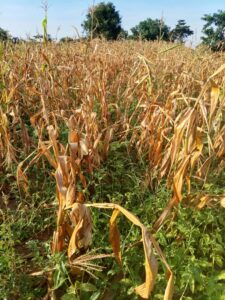
Another challenge is that many people in the grassroots communities do not understand climate change. Some people think these disasters are caused by witchcraft. Even households whose roofs were blown away by strong winds believe someone bewitched them. Instead of understanding that these are the effects of climate change, people are pointing fingers at each other. So we really need to improve awareness and education in our communities.
Despite all this, rural women are continuing to organise. We are promoting traditional seeds that are tolerant to drought and changing weather conditions. Farmers who planted traditional seeds are in a better position compared to those who planted maize. We are also supporting small irrigation schemes and nutrition gardens in some communities so that women can continue growing crops even when rain-fed farming fails. We continue to include women in climate discussions so they understand the impacts and can take action. We are also promoting biodiversity restoration and protection of wetlands as part of our response.
As rural women we will continue to raise our voices about the issues that affect our communities.”

