A girl should be allowed to grow up. She should have the time to understand her body, discover herself, remain in school, dream about her future and make informed decisions about her life before she is expected to become a wife or a mother.
Yet for many girls, childhood is being cut short.
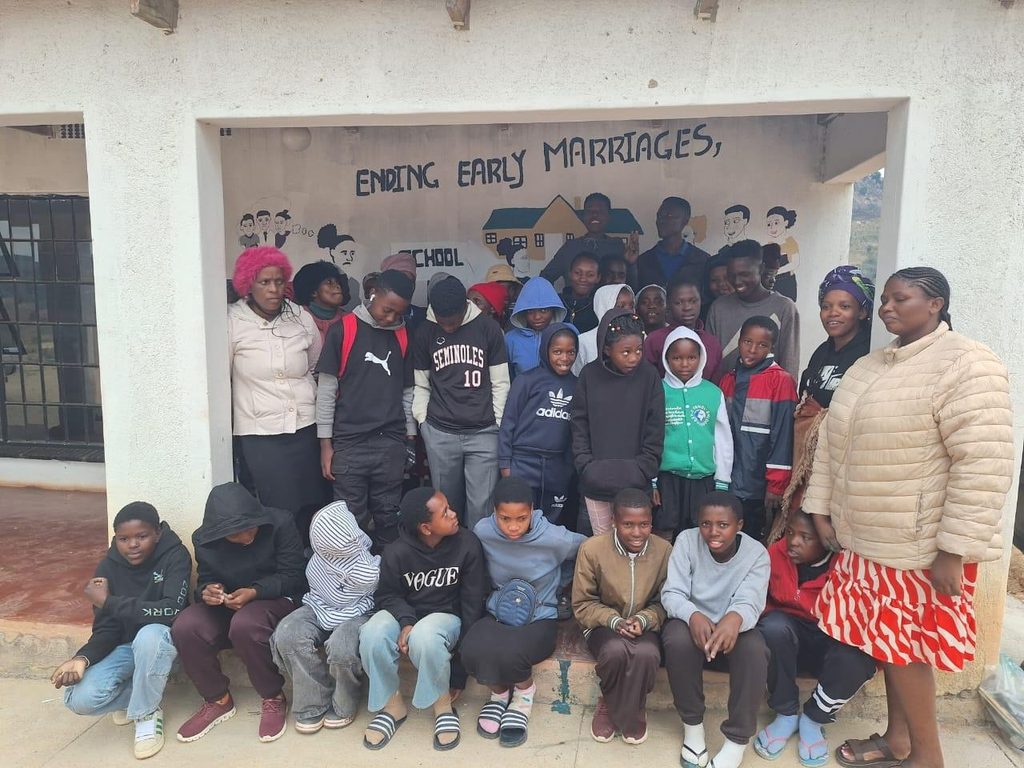
Through a campaign to end early marriages and teenage pregnancies, the Swaziland Rural Women’s Assembly (SRWA) took the conversation into schools and communities, engaging young people, parents and community members on the realities facing girls. What emerged was that early marriage and teenage pregnancy are not simply about individual choices. Behind them are deeper issues of poverty, gender inequality, harmful social norms, violence and a growing acceptance of situations that should never be considered normal.
One of the strongest realities emerging from the campaign was the role of poverty. When there is no food at home, families are forced to make difficult choices. In some communities, SRWA encountered situations where parents may allow their daughters to enter relationships or marriages with older men because these men can provide food for the family or offer financial support including paying dowry. For a family struggling to survive the promise of food today can appear more urgent than the consequences that may follow tomorrow. But a girl’s future should never be the price of her family’s survival. A child should not have to become a wife because her family is hungry.
Some girls also find themselves in relationships with older men because of difficult circumstances at home. When a child lacks food, security and support an older man who provides money or any other assistance can appear to offer a way out. But the unequal power between an adult and a child can leave a girl vulnerable and unable to make truly informed choices about her safety, her body and her future. This is why ending early marriage and teenage pregnancy must also mean addressing the poverty and inequality that leave girls vulnerable in the first place.
The campaign also brought attention to another disturbing reality that in some communities, teenage pregnancy has become so normalised that people no longer respond to it with the urgency it deserves. When pregnancies among young girls happen repeatedly, communities can begin to accept them as simply part of life. But when a very young child becomes pregnant, the response cannot simply be acceptance or silence.
The question should be: What happened to this child, and who is responsible?A child becoming pregnant should raise serious concerns about her safety and sexual abuse. Families, communities and community leaders have a responsibility to ensure that suspected abuse is reported to the police and the appropriate authorities and that children receive protection and support. Silence does not protect children, normalising the pregnancy of a child does not protect children, and blaming the child does not protect children.
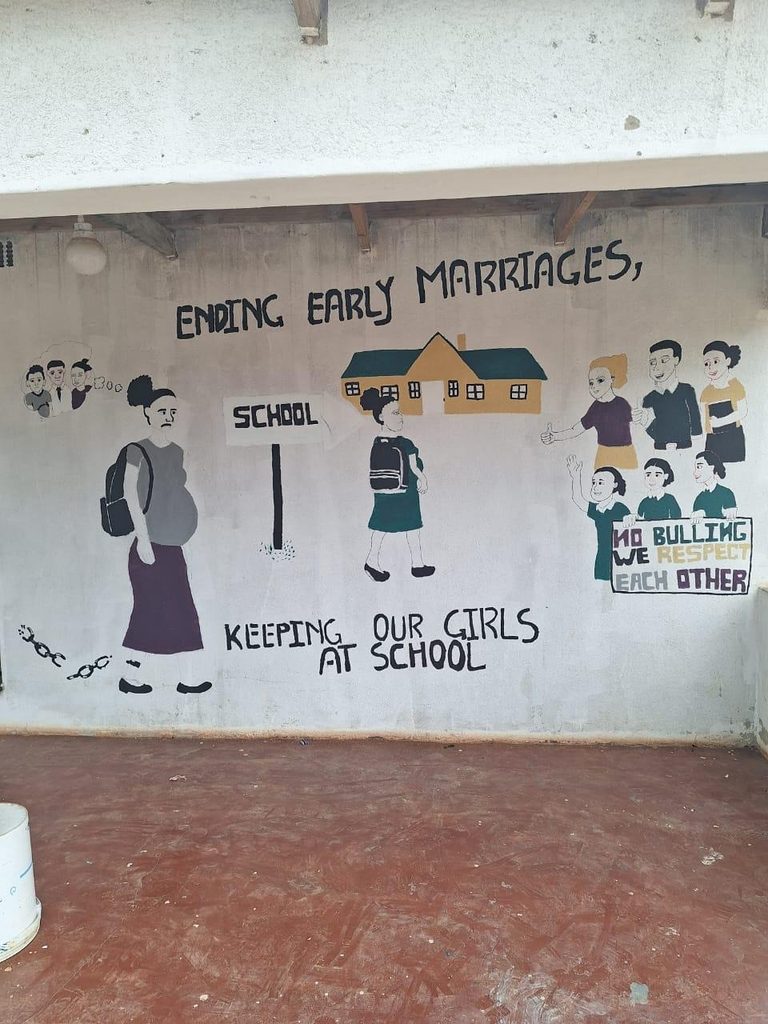
Another issue raised during the campaign was what happens to girls after they become pregnant. In some schools pregnant learners are not allowed to continue with their education because of the belief that they will not be able to concentrate or that their presence will make other learners sleepy and unable to listen attentively, but pregnancy does not make a girl incapable of learning. A pregnant learner has never made another learner fall asleep simply by being in the classroom.
What makes this even more concerning is the unequal treatment that can follow. When a girl becomes pregnant, her education may be interrupted or stopped, while the boy who impregnated her may remain at school and continue with his studies the girl can be made to carry the consequences alone, her education is interrupted, her future is placed at risk, she may face stigma and shame meanwhile, the boy may continue with his education as though nothing has happened.
A girl who becomes pregnant is still a learner. She is still a child who deserves support and an opportunity to complete her education. Pregnancy should not be treated as the end of her future and the pressure does not always come from schools or communities, sometimes it begins at home. A parent may react with anger after discovering that their daughter is pregnant and tell her to leave home and go and live with the baby’s father. The assumption can become that because she is pregnant, she is now old enough to be a wife. But pregnancy does not make a child an adult. A girl who becomes pregnant still needs her family, sending her away does not solve the circumstances that led to the pregnancy. It may instead expose her to further vulnerability and push her further away from the opportunities she needs to build a better future.
Parents have a responsibility to create safe homes where children can ask questions and speak about abuse without fear. Schools have a responsibility to protect learners and ensure that pregnancy does not automatically become a barrier to education. Boys and men have a responsibility to respect girls and take responsibility for their actions. Community leaders have a responsibility to challenge harmful practices, support the protection of children and ensure that cases of gender-based violence and abuse are reported and communities have a responsibility to stop treating child pregnancy, early marriage and violence against girls as normal.
Every girl deserves the opportunity to finish school, understand herself, develop her talents and imagine a future beyond survival. She deserves time to grow before being expected to take on the responsibilities of adulthood.
A girl should be allowed to grow up. Stay in school, discover her potential and make informed decisions about her future when she is mature enough to do so. Becoming pregnant does not make a child an adult, and it should never mean that her education, dreams or future come to an end.
The murals are therefore more than paintings on a wall. They are a call to communities to challenge the practices and attitudes that put girls at risk, to speak up when children are being abused, to report cases of violence and exploitation, and to ensure that no child is pushed into marriage because of poverty, pregnancy or family pressure.
SRWA believes that the protection of girls cannot stop at awareness. It must be reflected in what happens at home, in schools and throughout our communities. Girls deserve the opportunity to grow, learn, dream and choose their futures.
She is a child with rights, dreams, potential and a future worth protecting.
Let girls grow. Let girls learn. Let girls dream. Let girls choose.