
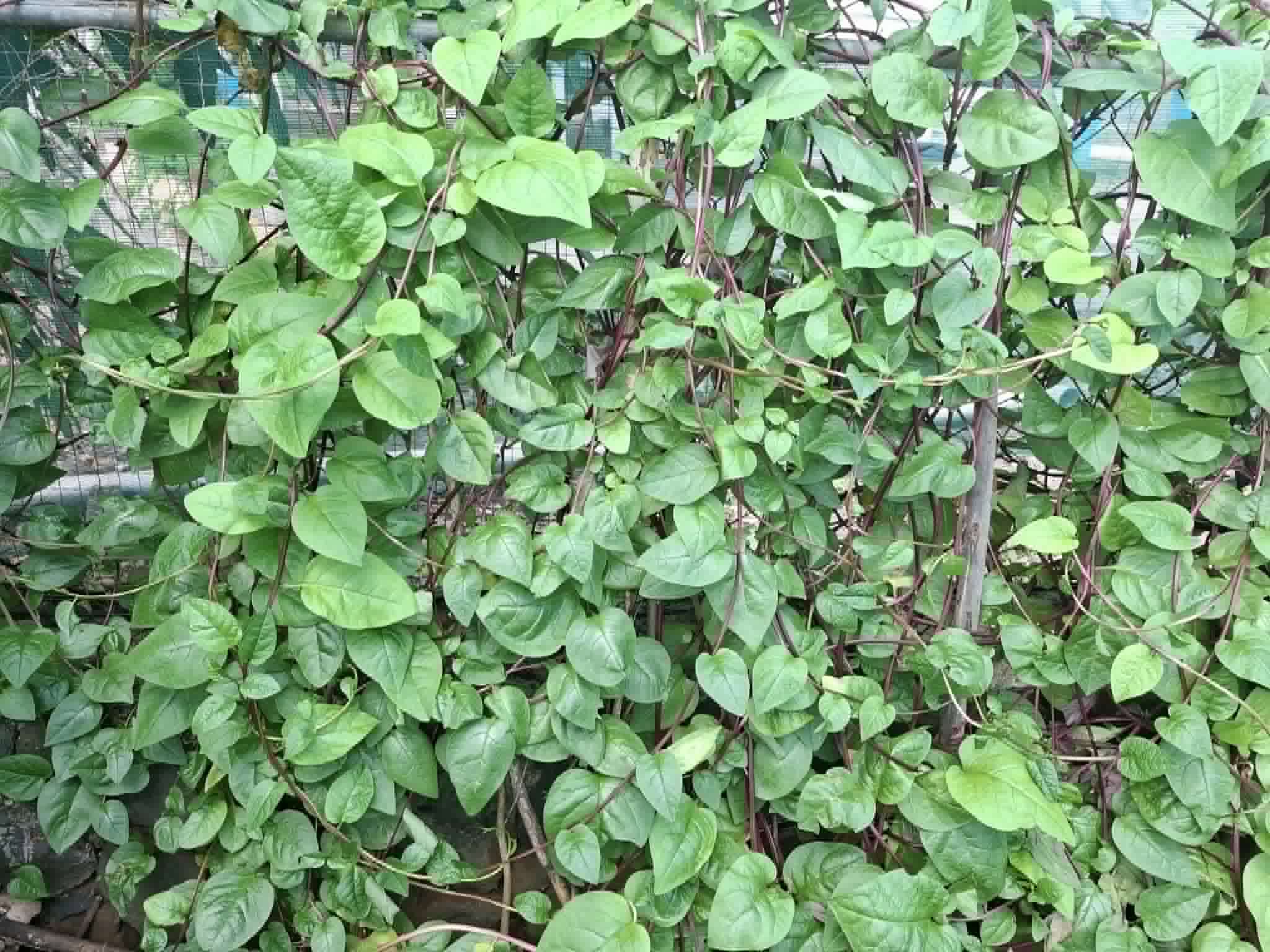
In Rodrigues, Mauritius, rural women are demonstrating that local seed preservation and agroecological farming remain vital tools for strengthening food security, resilience, and community self-reliance. Through four community demonstration sites, each covering approximately one arpent, women and local farmers are growing food, conserving seeds, and ensuring that communities can access planting materials when they are most needed. The demonstration sites have become important spaces for learning, seed multiplication, and the protection of local food systems. Farmers grow a range of crops including pumpkin, onions, calabash, cucumber, maize, and red beans. While other vegetables such as potatoes, cauliflower, and green peppers are also grown, the focus of the seed-saving work remains on crops whose seeds can be collected, preserved, and shared locally.
For many women farmers, access to seeds is especially important during periods of climate uncertainty. When floods, droughts, or other challenges cause farmers to lose their planting materials, the preserved seeds provide an immediate source of support. This community-based approach helps farmers return to production without depending entirely on external seed supplies.
Although farming in Rodrigues is generally carried out on a small scale, the harvests from these fields contribute meaningfully to household nutrition and local markets. Fresh vegetables are sold locally and also support the tourism economy, particularly through traditional dishes prepared with maize and local red beans.
The four demonstration sites are open to the wider community, allowing women, farmers, and other residents to access seeds and learn from practical agroecological methods. They reflect the importance of collective action in protecting biodiversity, strengthening local food systems, and ensuring that rural communities remain able to feed themselves.


