
Across Southern Africa we are living through a period of deepening crisis. The climate crisis is no longer something we speak about as a distant threat. It is visible in the droughts that destroy harvests, the floods that wash away homes, and the changing seasons that make farming increasingly uncertain. We depend on the land for food and livelihood are the first to feel these changes and the ones who must find ways for families and communities to survive. At the same time our territories continue to face growing pressure from mining companies, large scale agriculture and other extractive activities that take land, water and resources away from communities. Across the region rural people are witnessing land grabbing, pollution of rivers, destruction of grazing land and the loss of biodiversity. These developments are often presented as progress and development, yet they deepen inequality and displace the very communities that have protected these landscapes for generations.
We stand at the centre of these struggles. Women produce food, care for families, safeguard seeds and sustain community life. Yet they remain the most marginalised in decisions about land, natural resources and development. Their labour feeds nations but their voices are rarely recognised in policy spaces where decisions are made about agriculture, climate and economic priorities. Despite these conditions we continue to organise and resist. Across Southern Africa women are defending their territories and demanding justice. They are protecting indigenous seed systems, reviving traditional knowledge and practising agroecology as a way to restore soils, protect biodiversity and strengthen food sovereignty. Through seed exchanges, community gardens and collective organising, women are building alternatives that place life at the centre rather than profit.
The Rural Women’s Assembly recognises that the crises we face are connected. Climate change, land dispossession, economic injustice and violence against women are part of the same system that treats both people and nature as resources to be exploited. Confronting these realities requires organised movements that challenge these systems and build new pathways rooted in justice, dignity and care for the earth. International Women’s Day is not merely a celebration. It is a reminder of women’s long history of struggle and organising. As rural women across our region, we continue this tradition by building movements, defending land and seeds, and demanding a future where communities have control over their food systems, territories and livelihoods.
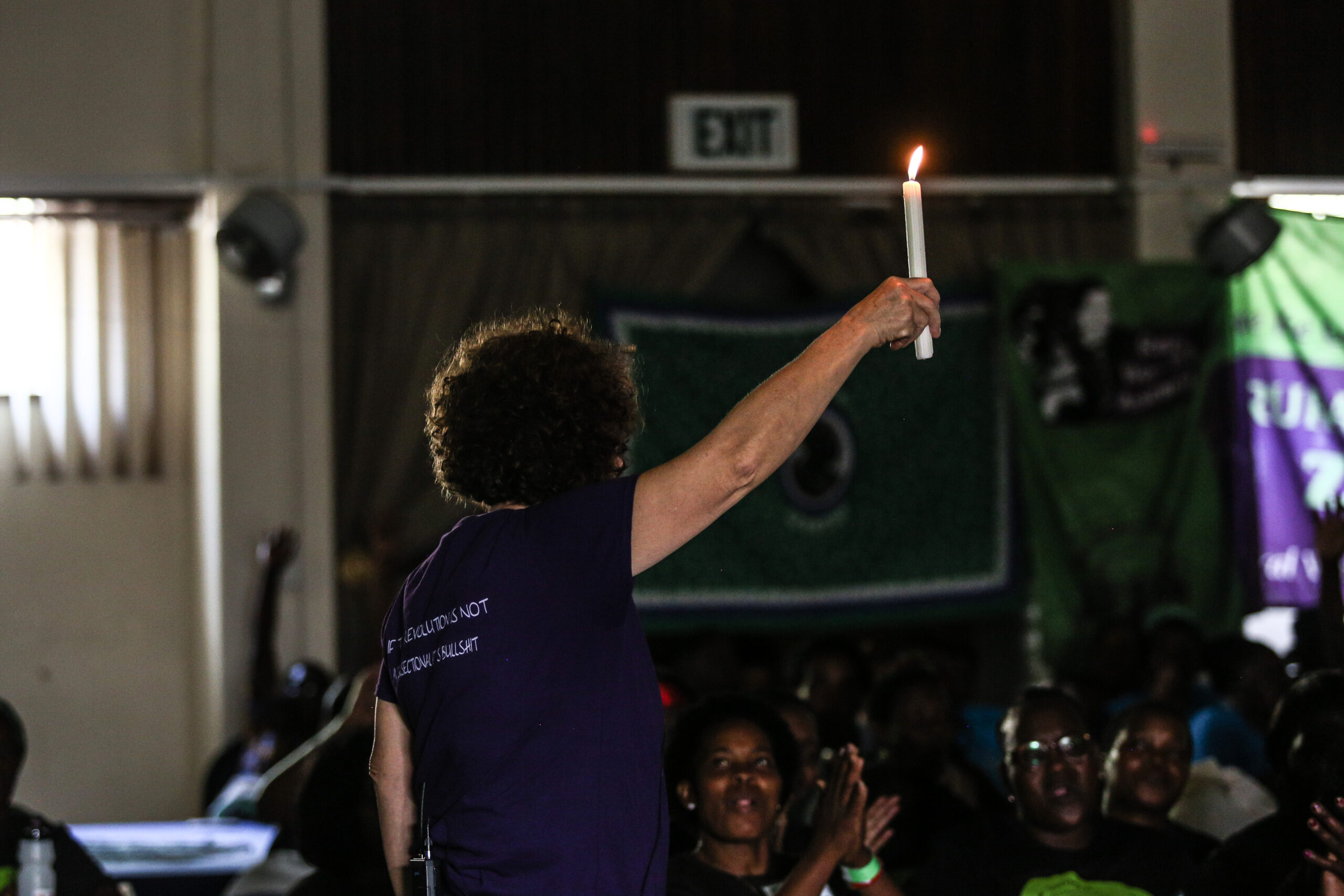
On this day we honour the courage and leadership of rural women who continue to organise in villages, farms and communities across Southern Africa. We reaffirm our commitment to strengthening feminist solidarity, deepening grassroots organising and advancing agroecology as a pathway toward food sovereignty and climate justice. The struggle for land, seeds, water and dignity continues. We, as rural women, are not waiting for change. We are organising to create it.
The Rural Women’s Assembly stands in solidarity with women across the world who are resisting oppression and defending dignity.
We stand with women living under war and occupation.
We stand with women confronting political repression and economic injustice.
We stand with all movements that are defending land, life and the commons.
Our struggle is rooted in the belief that another world that is not governed by capitalism and patriarchy is possible. A world where women have secure access to land with water and seeds. A world where food systems nourish communities rather than enrich corporations. A world where care, solidarity and justice guide our economies and our politics.


